Founded
Department
Geology and Palaeontology Department
The Geology and Palaeontology Department carries forward more than a century-long tradition of research, collection, and preservation of Croatia's geological and palaeontological heritage. The former Geological-Palaeontological Museum became one of the departments of the Croatian Natural History Museum following the merger of three museums in 1986.
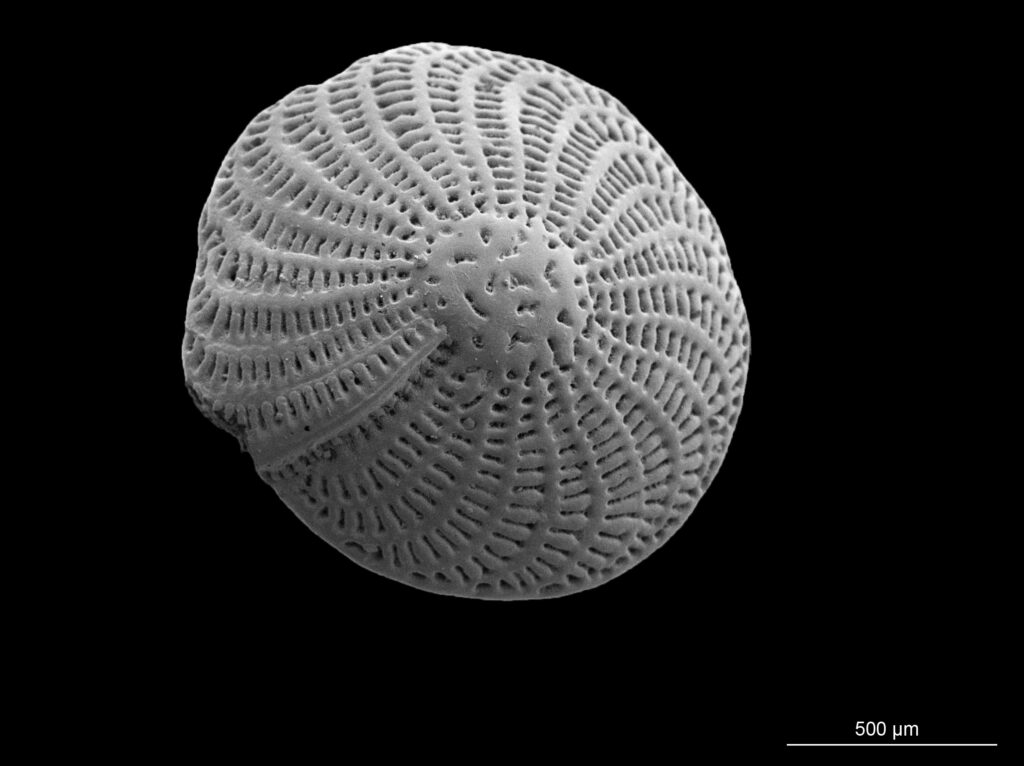
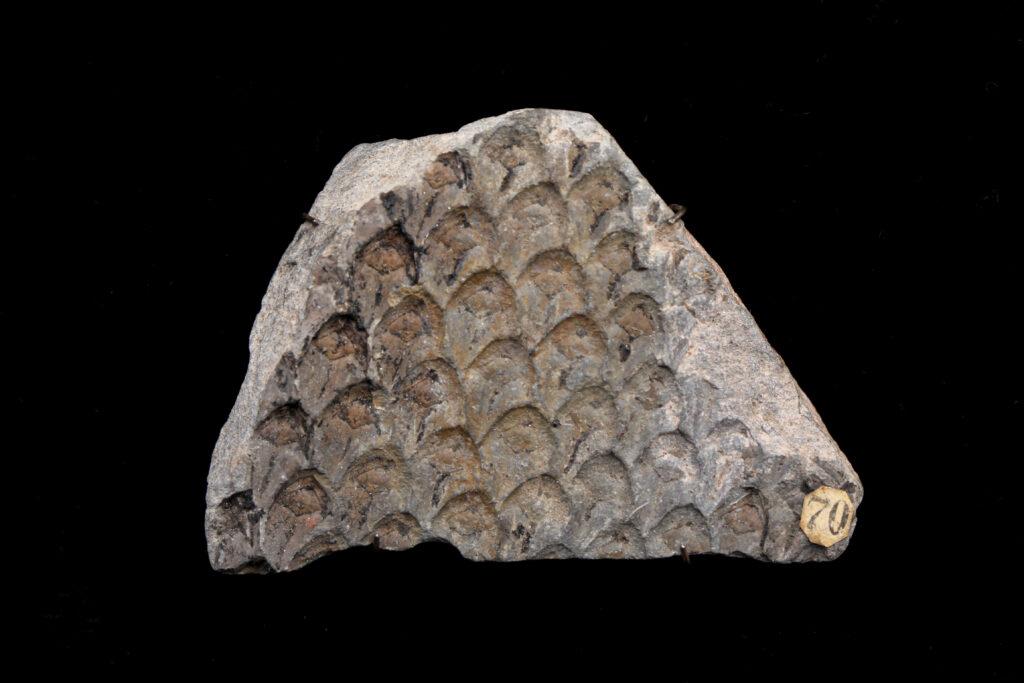
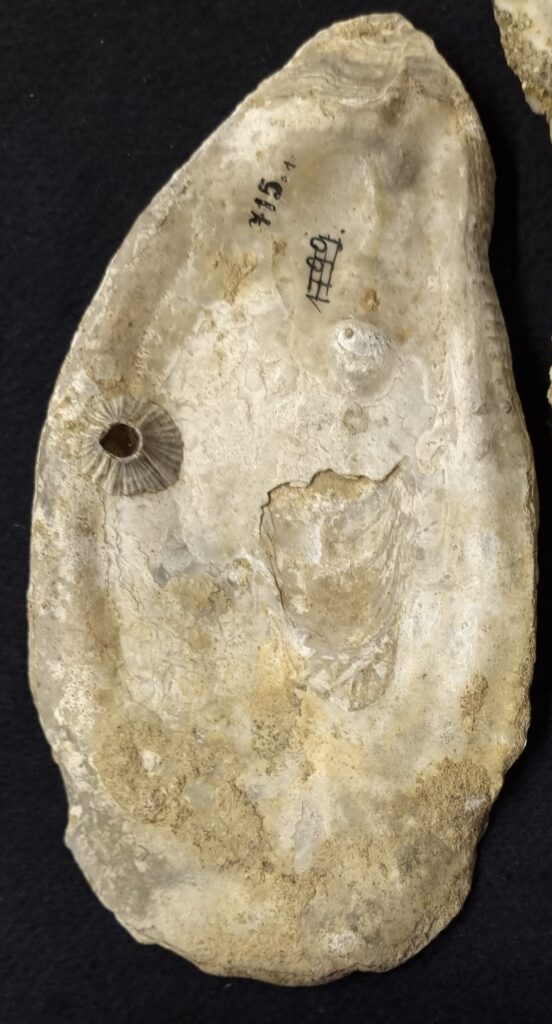
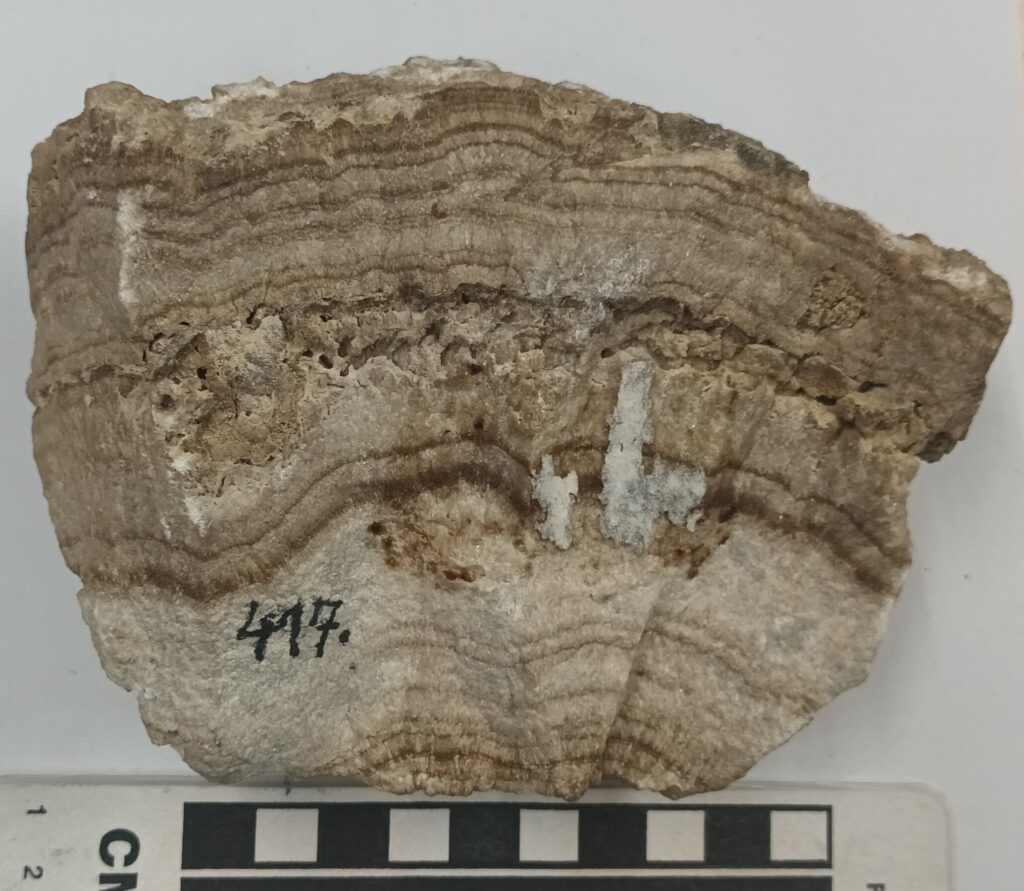
Department staff care for 27 unique geological and palaeontological collections comprising nearly 300,000 specimens. Continuous fieldwork steadily enriches the holdings with new finds, while scientific study of fossil material explores various aspects of the development of life and evolutionary processes in Croatia and beyond.
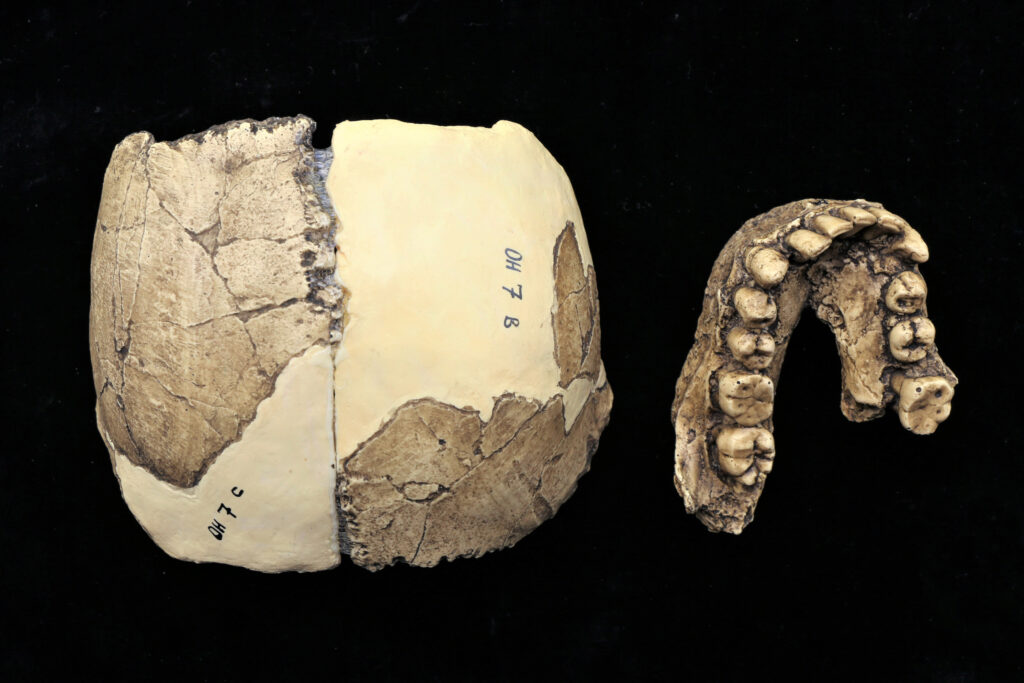
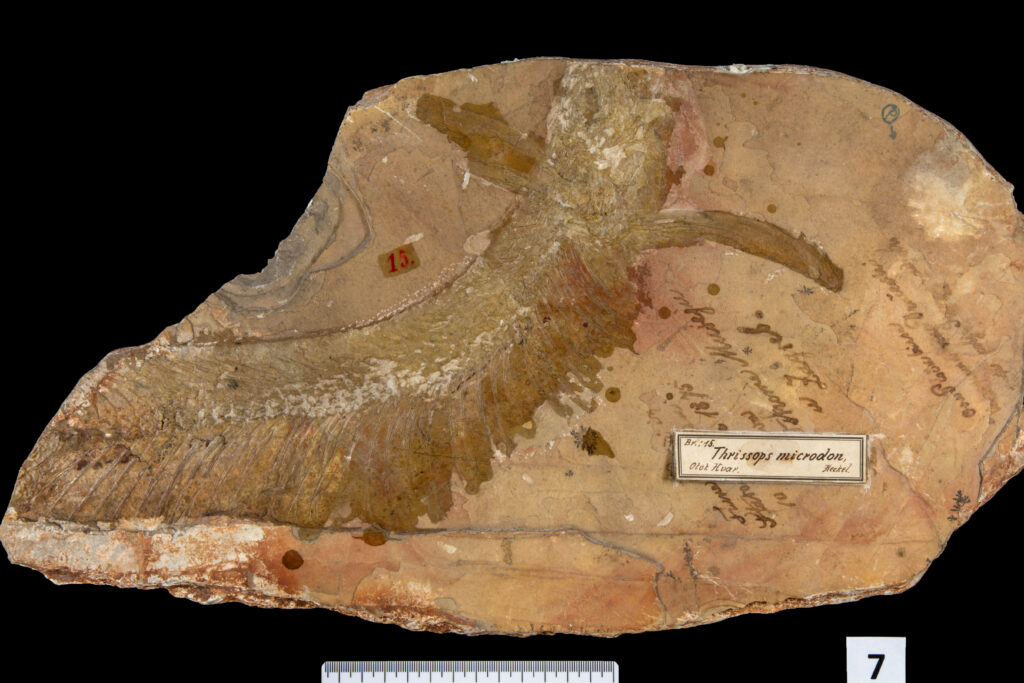
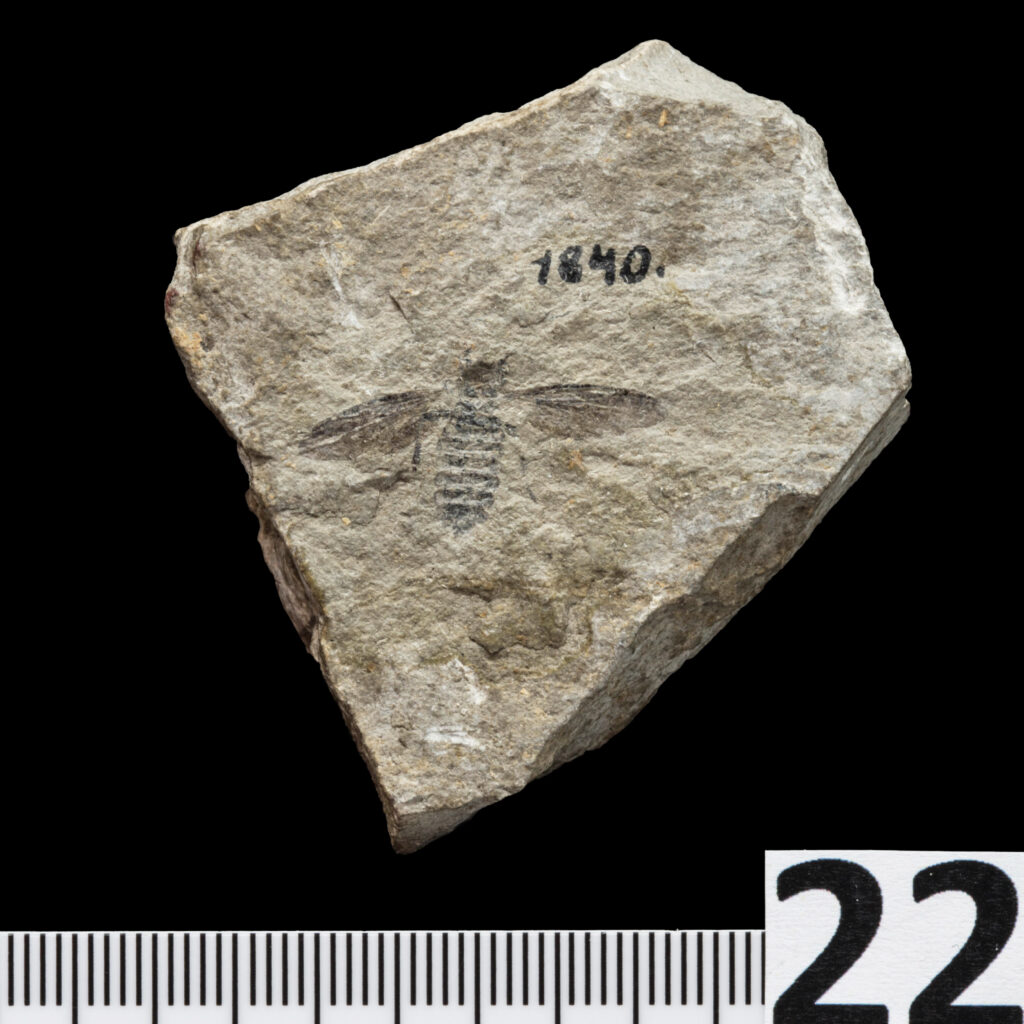
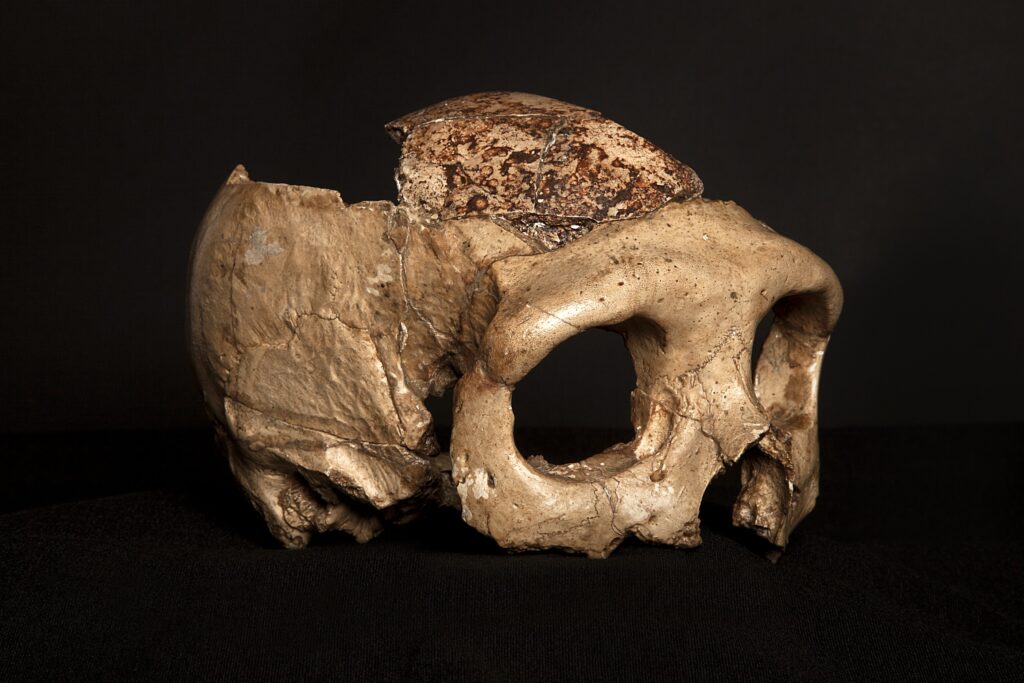
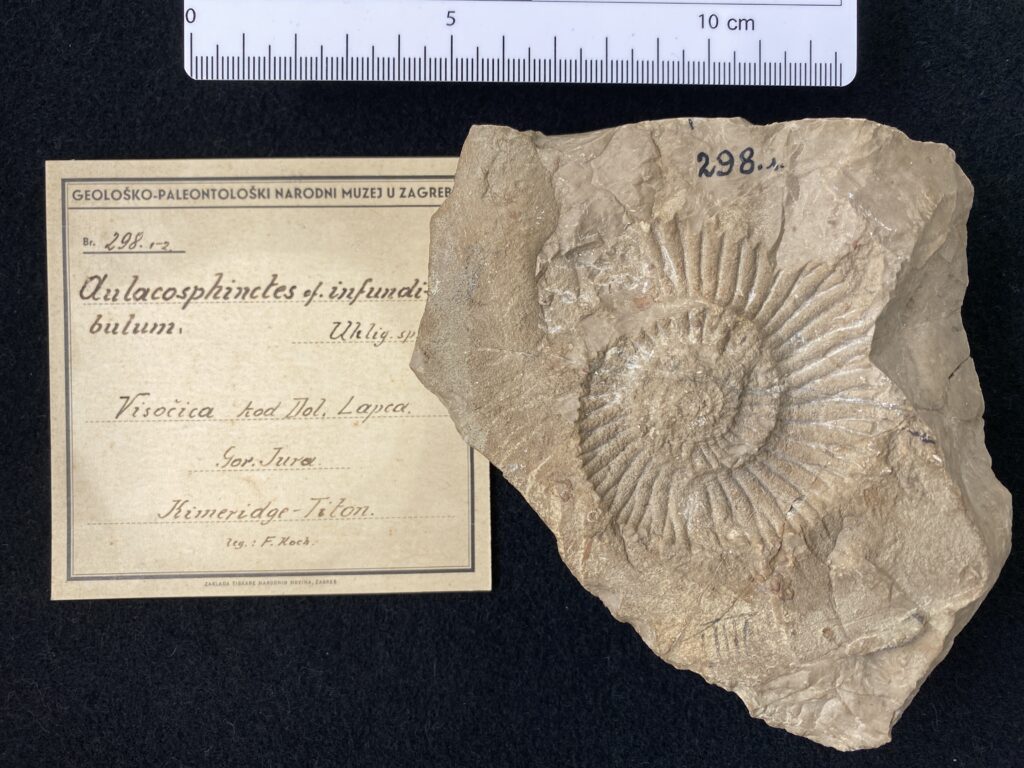
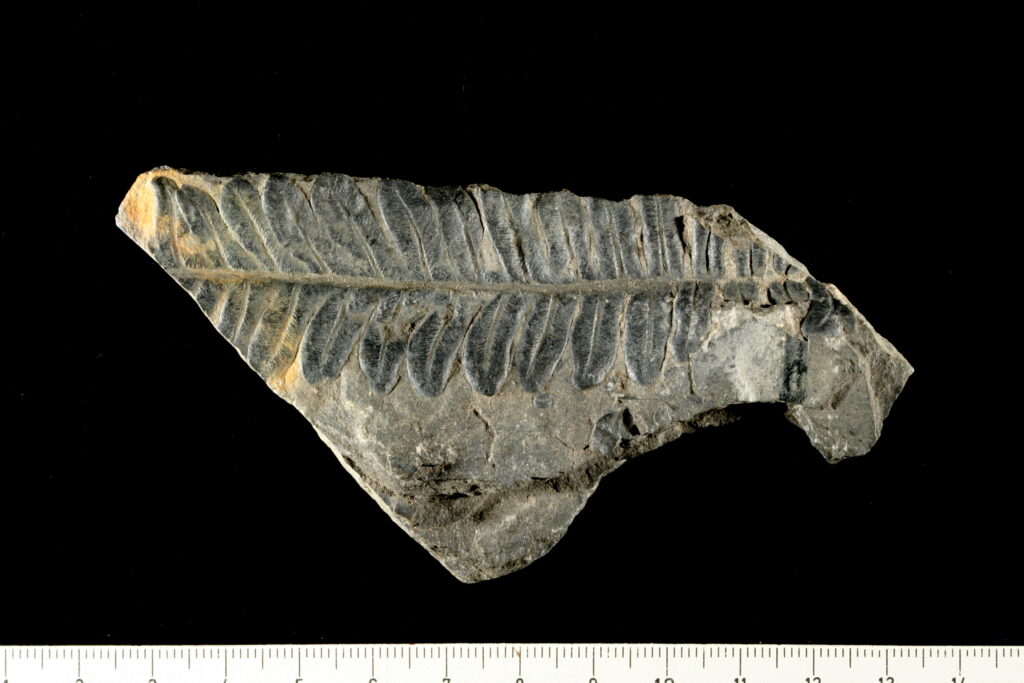
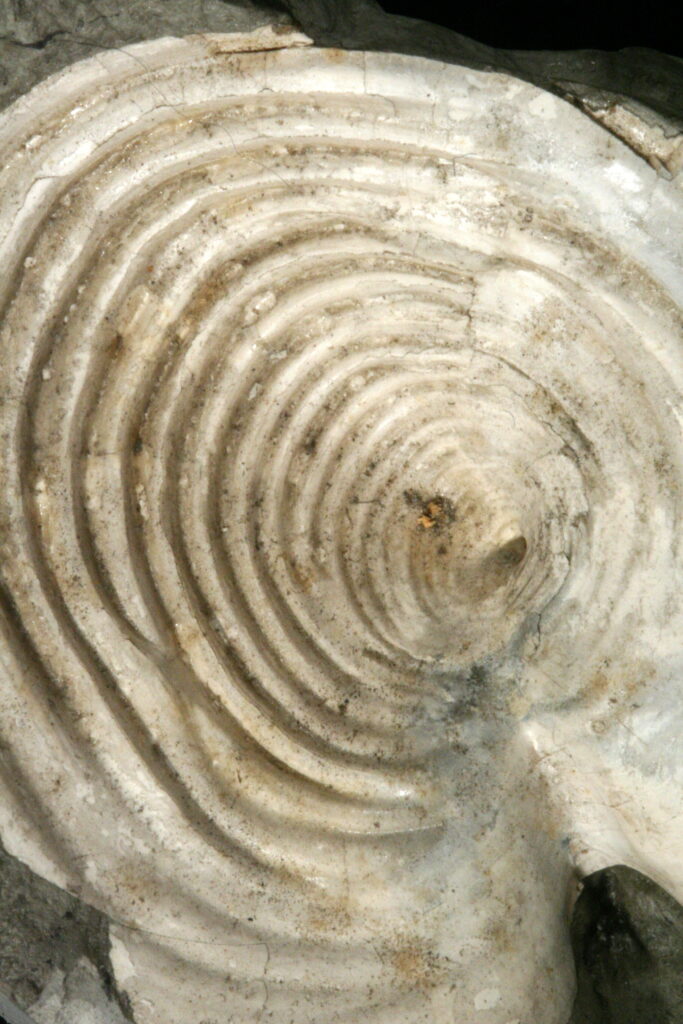
The Department holds inherently rare and irreplaceable material. Two collections have been granted zero-category monument status: the Krapina Pleistocene Collection and the Holotype Collection. The holdings also include numerous exceptionally valuable specimens such as mammoth, rhinoceros and large deer remains from Slavonia, dinosaur tracks from Istria, fossil lizards from Dalmatia, ammonites from the Dalmatian hinterland, Lika and the Croatian Zagorje, fossil plants, insects, and the famous "Zagreb Whale".
Curators collaborate with numerous domestic and international institutions, including universities and natural history museums across Europe and the world, with a long-standing partnership with the University of Zagreb, the Croatian Academy of Sciences and Arts, and the Croatian Geological Survey.
History
History of the Department
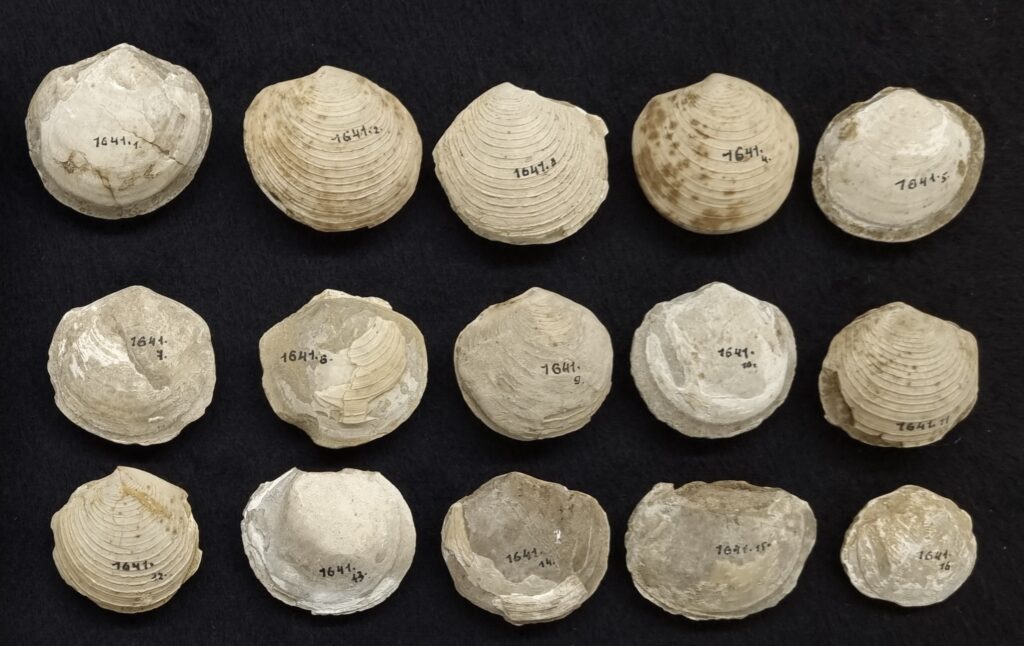
The history of the Geology and Palaeontology Department begins shortly after the Croatian Parliament's decision to establish the National Museum in 1836. Among the first and most important donors was Mijat Sabljar, who donated a rich collection of ores and molluscs, laying the foundations of today's geological-palaeontological holdings.
Throughout the 19th century, many naturalists, patriots and museum commissioners collected fossils and rocks from across Croatia. In the period of the Croatian National Revival, a significant portion of this material remained in the National Museum, causing the collections to grow systematically in both size and scientific importance.
Among the key figures in the Museum's early development was Ljudevit Farkaš Vukotinović, whose work was continued by Spiridion Brusina, the first curator of the natural history collections. Over nearly four decades, Brusina assembled and scientifically processed extensive palaeomalacological collections and published a series of important monographs that established his reputation in European palaeontological circles.
In 1870, Gjuro Pilar, Croatia's first trained geologist, became curator of the geological-mineralogical collection. Pilar organised the scientific processing of the holdings, acquired valuable comparative collections from abroad, and mounted the first permanent geological museum display. His research on fossil flora resulted in the celebrated monograph Flora fossilis Susedana.
A new chapter began with the arrival of Dragutin Gorjanović-Kramberger in 1880. His discovery of the Krapina Neanderthals brought international renown to Croatian science and to the Museum. Alongside his palaeoanthropological research, Gorjanović-Kramberger worked intensively on molluscs, fossil fish, Pleistocene mammals and the stratigraphical collections of Croatia. Together with Spiridion Brusina, he established the largest number of holotypes now held in the Holotype Collection.
Following the death of Gjuro Pilar in 1893, the Mineralogical-Geological Department was divided into the Geological-Palaeontological and Mineralogical-Petrographical departments. During the first half of the 20th century, the holdings and professional work were further developed by curators including Ferdo Koch, Marijan Salopek and Josip Poljak. In 1986, the Geological-Palaeontological Museum, the Zoological Museum, and the Mineralogical-Petrographical Museum were united to form the Croatian Natural History Museum, within which the Geology and Palaeontology Department continues its scientific, professional and museum work to the present day.
Department
Department Data
Collections
27
Head of Department
Dr. sc. Marija Bošnjak
Department
Department Staff
Dr. sc. Marija Bošnjak
Museum Adviser, Head of Department
Sanja Japundžić
Museum Adviser
Katarina Krizmanić
Museum Adviser
Mr. sc. Nediljka Prlj Šimić
Museum Adviser
Dr. sc. Davor Vrsaljko
Nives Borčić
Senior Museum Technician
Petra Godec
Curator
Dr. sc. Kazimir Miculinić
Curator
Collections
Department Collections
Overview of collections associated with the department.