Founded
Department
Mineralogy and Petrography Department
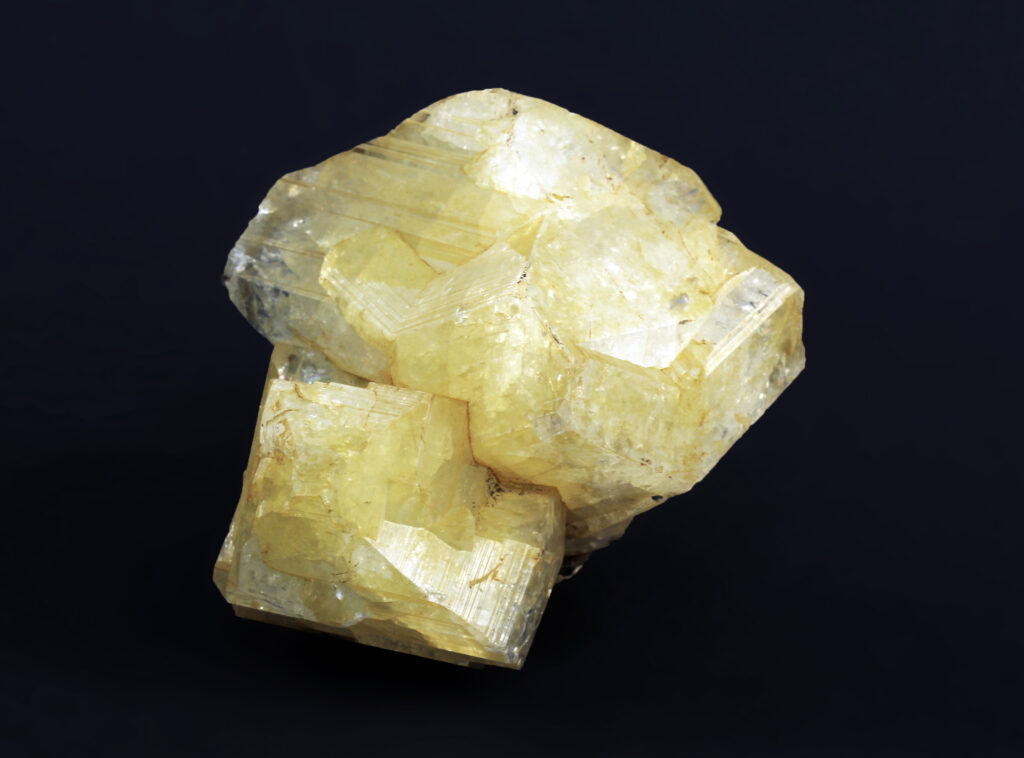
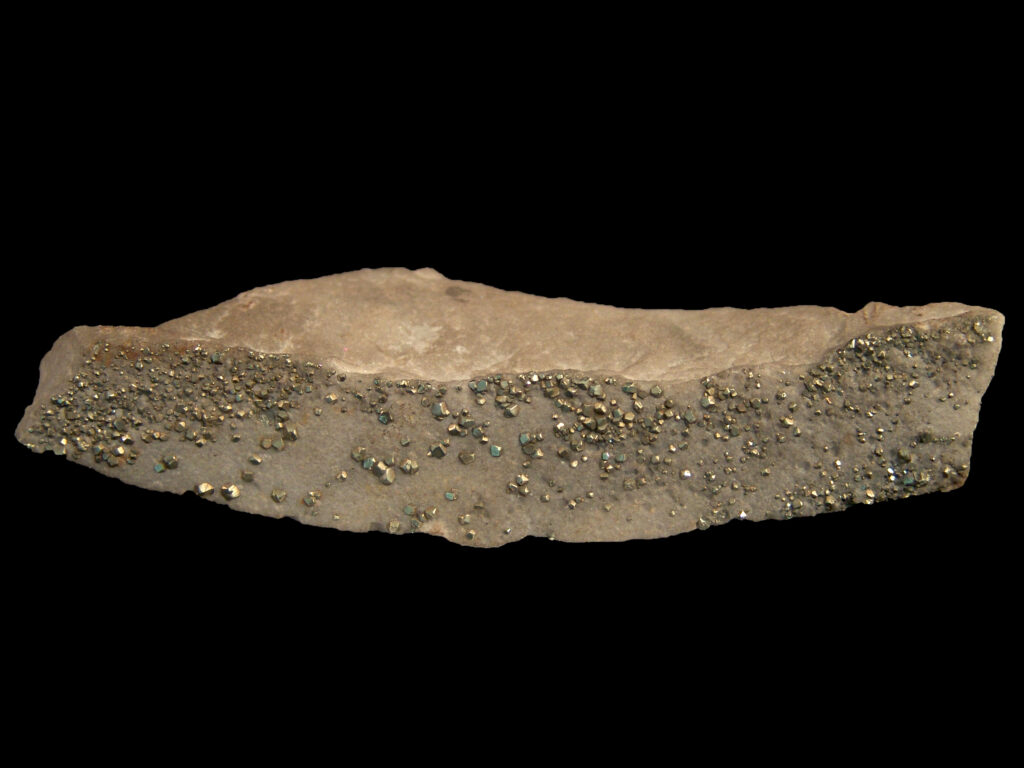
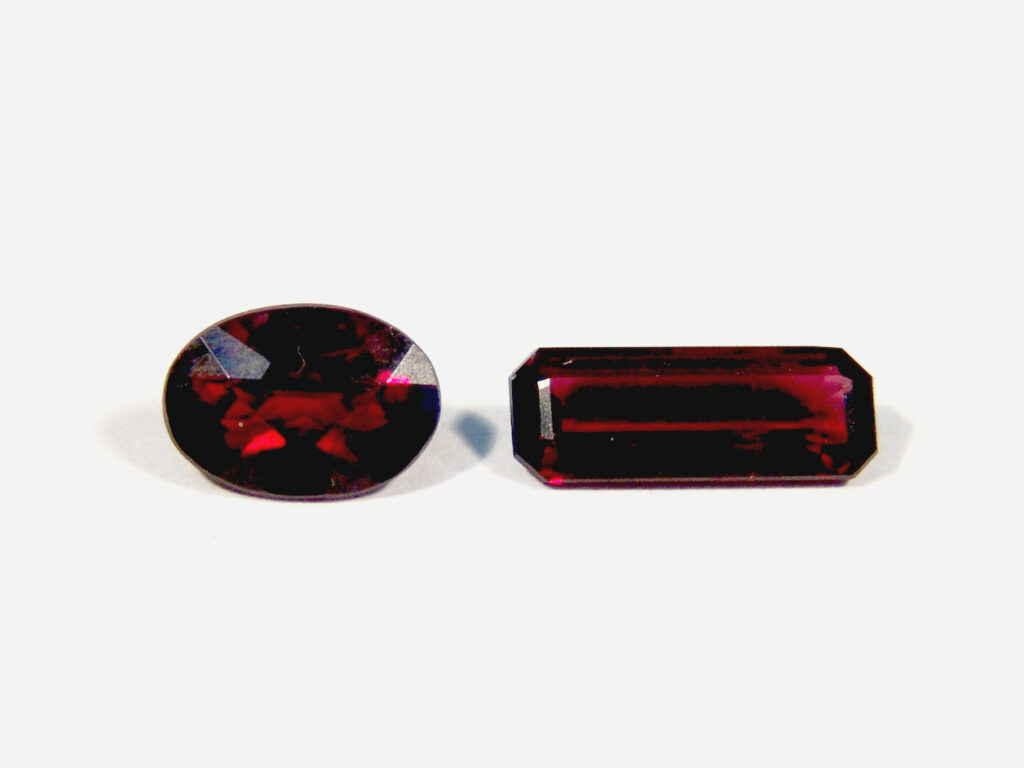
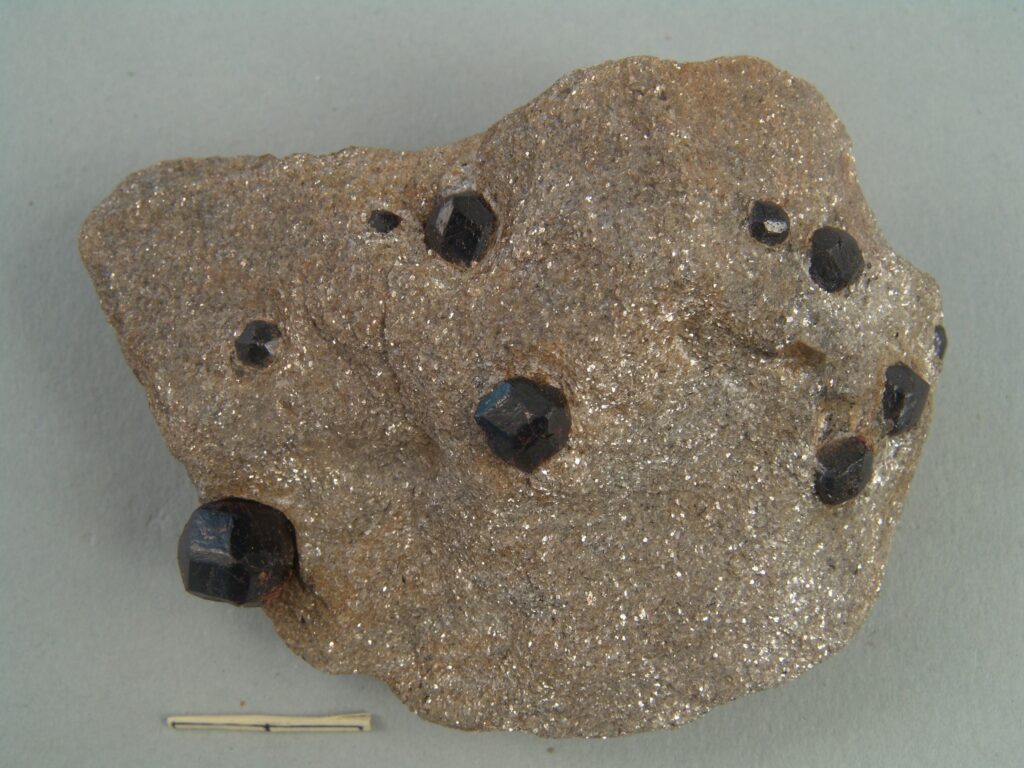
The Mineralogy and Petrography Department of the Croatian Natural History Museum preserves and studies mineral and rock collections built up over more than 170 years. Today the Department houses one of the most significant mineralogical collections in Southeast Europe, comprising systematic collections, type localities, meteorites, speleothems, and specialised paragenetic collections.
Professional activities include the scientific processing, cataloguing, conservation, and presentation of museum specimens, as well as field research and the acquisition of new material. The Department actively collaborates with universities, geological institutes, and natural history museums across Europe.
History
History of the Department
The beginning of the creation of mineral and rock collections in Croatia dates back to the first half of the 19th century, during the Croatian National Revival. Numerous notable figures participated in the collection of museum material, such as the writer Antun Mažuranić, the Archbishop of Zagreb Juraj Haulik, and the leader of the Illyrian movement Ljudevit Gaj. The collections were shown to the public for the first time at the first Economic Exhibition, held in 1846 in Opatička Street.
At that time, Gjuro Pilar, the first Croatian professional geologist, was employed at the Museum. Having created the conditions for professional and scientific work, he became a world-renowned scientist. He also purchased the large Lanza collection for the Museum in 1875, from which he singled out the most beautiful specimens as the backbone of the future systematic collection of minerals.
In 1893, after the death of Gjuro Pilar, the Department of Mineralogy and Petrography was separated from the Geological-Palaeontological Department and continued its work under Mijo Kišpatić. From 1901 to 1911, Kišpatić purchased hundreds of extremely valuable mineral samples from world-famous localities. In his research on rock formation he calculated the normative composition of a rock from quantitative chemical analysis — the first such attempt in the world.
Kišpatić's successor, Fran Tućan, became curator in 1906 and director in 1918. He distinguished himself in popularising science and natural history, and was a longtime editor of the journal Priroda, one of the oldest natural history journals in continuous publication since 1911. His successor Ljudevit Barić, who began museum work in 1932, was a top expert in crystallography. A mineral from the phosphate class was named baricite in his honour by mineralogist Branimir D. Sturman.
Department
Department Data
Head of Department
Dr. sc. Ivan Razum
Department
Department Staff
Damir Lacković, MSc in Geology
Museum Adviser
MSc Snježana Mikulčić Pavlakovic, senior curator
Senior Curator
Biserka Radanović-Gužvica, MSc in Geology
Museum Adviser
Dr. sc. Ivan Razum
Museum Adviser, Head of Department
Silvana Sušić, chemical technician
Chemical Technician, Senior Museum Technician
Monika Kovačić, mag.ing.agr
Assistant Museum Technician
dr.sc. Sanja Šuica, curator
Curator
Collections
Department Collections
Overview of collections associated with the department.