• Opening hours: 10:00 - 18:00
Department

Zoological Department

The Zoological Department covers a broad range of activities in culture, education, and science. Its primary responsibilities include the preservation and management of zoological collections, mainly of national origin. Scientific evaluation and taxonomy are of primary importance in collection management.

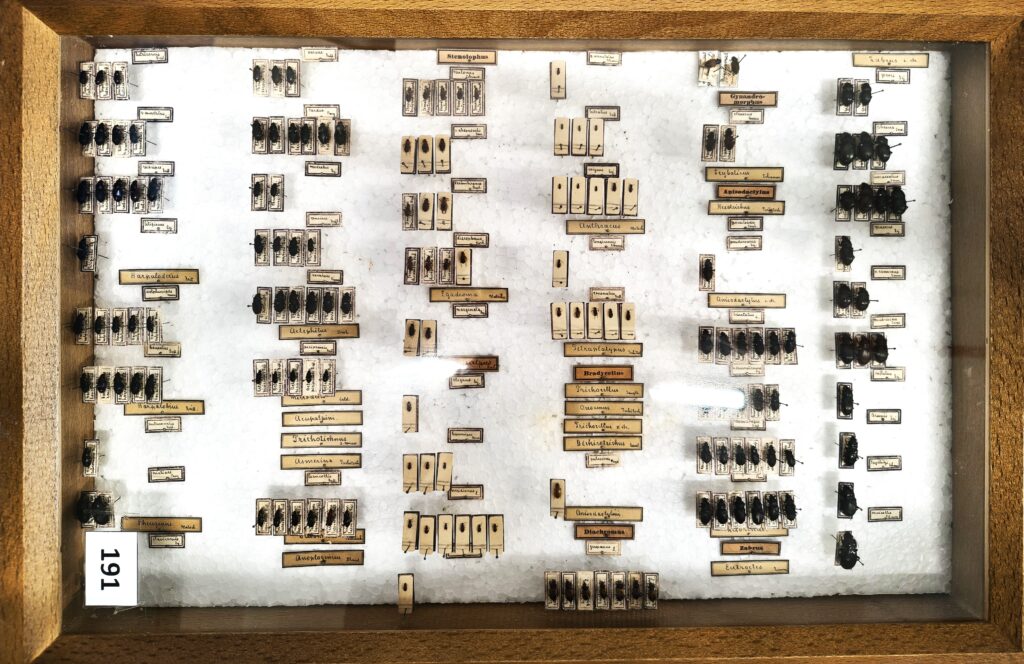
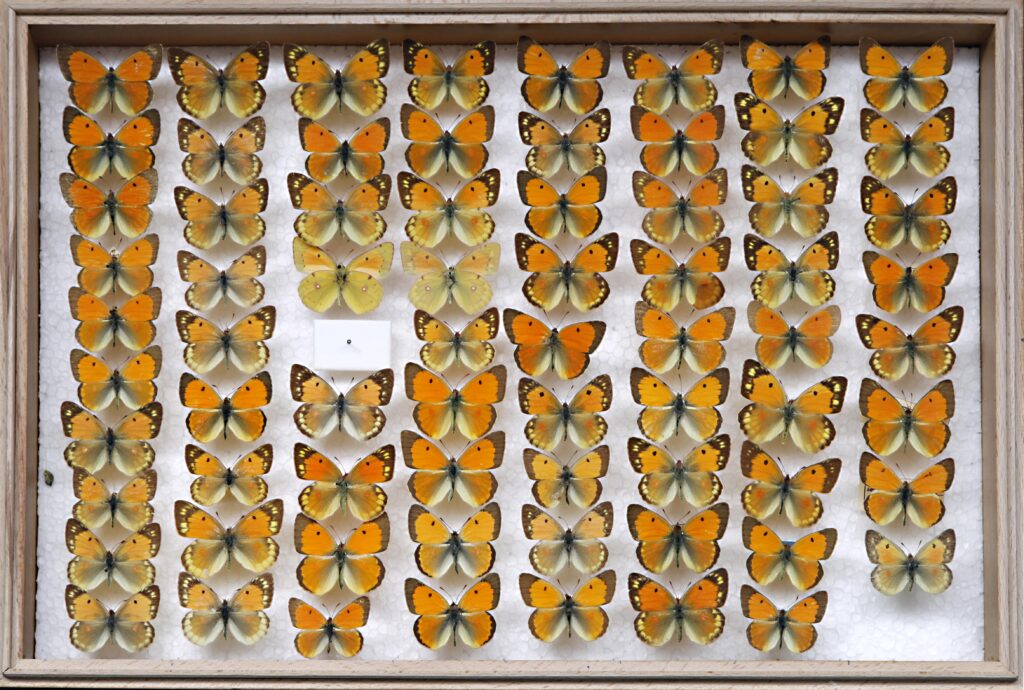
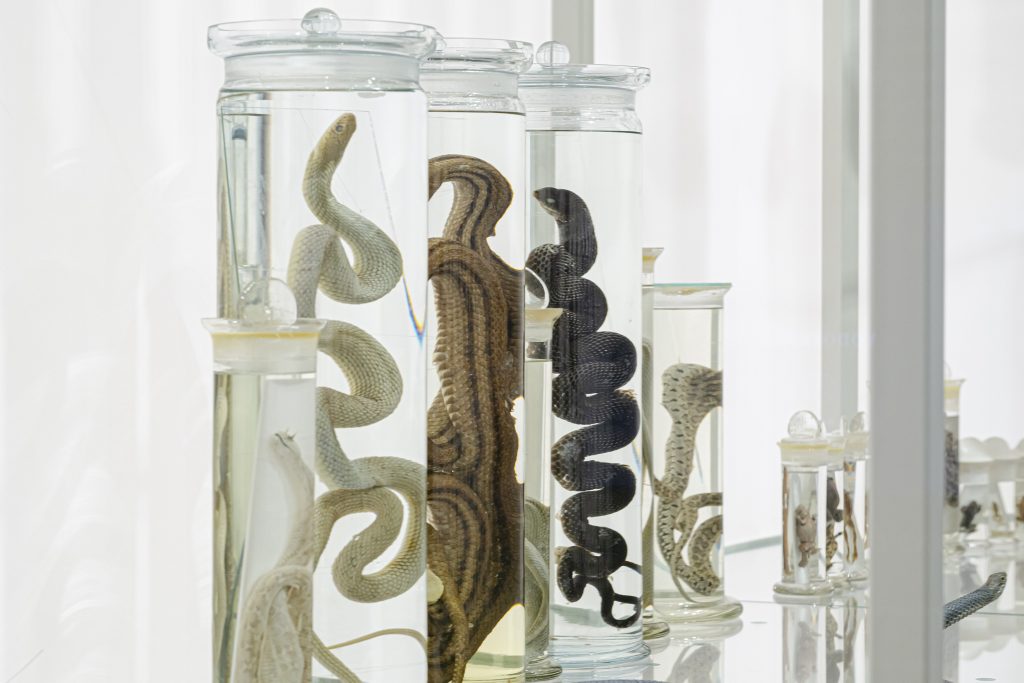
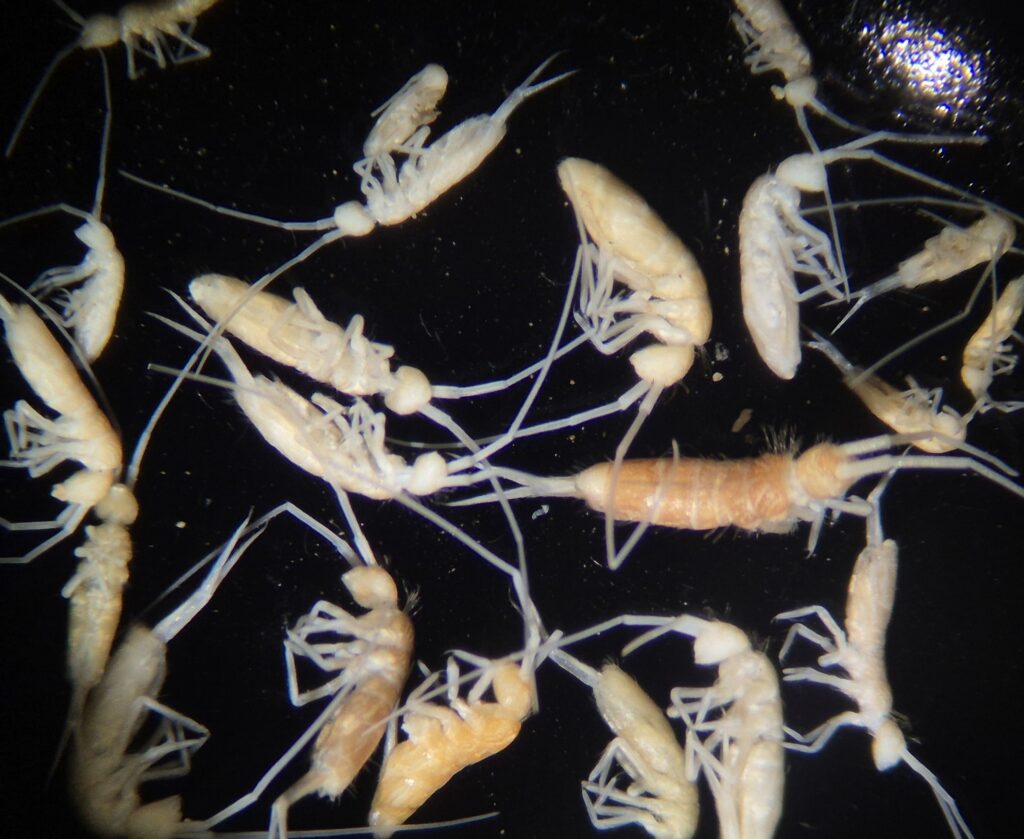
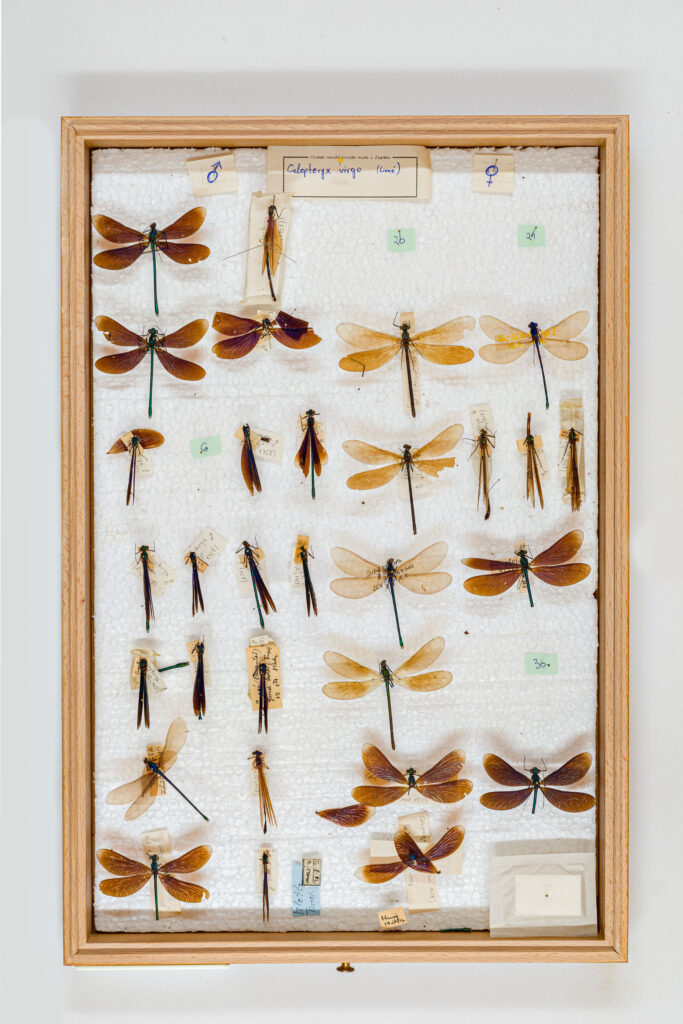
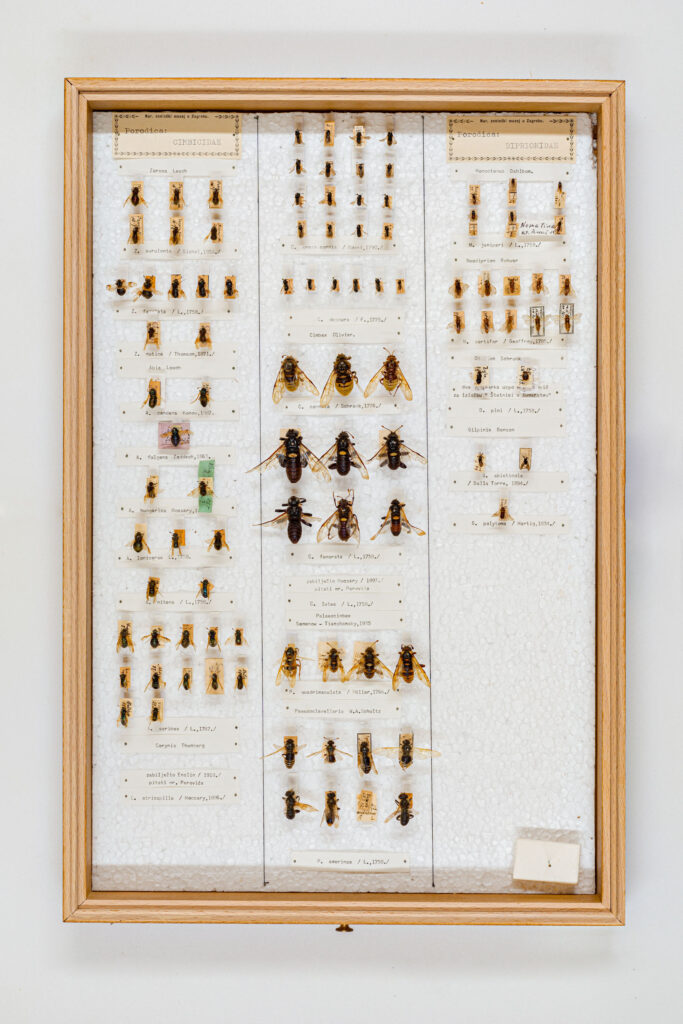
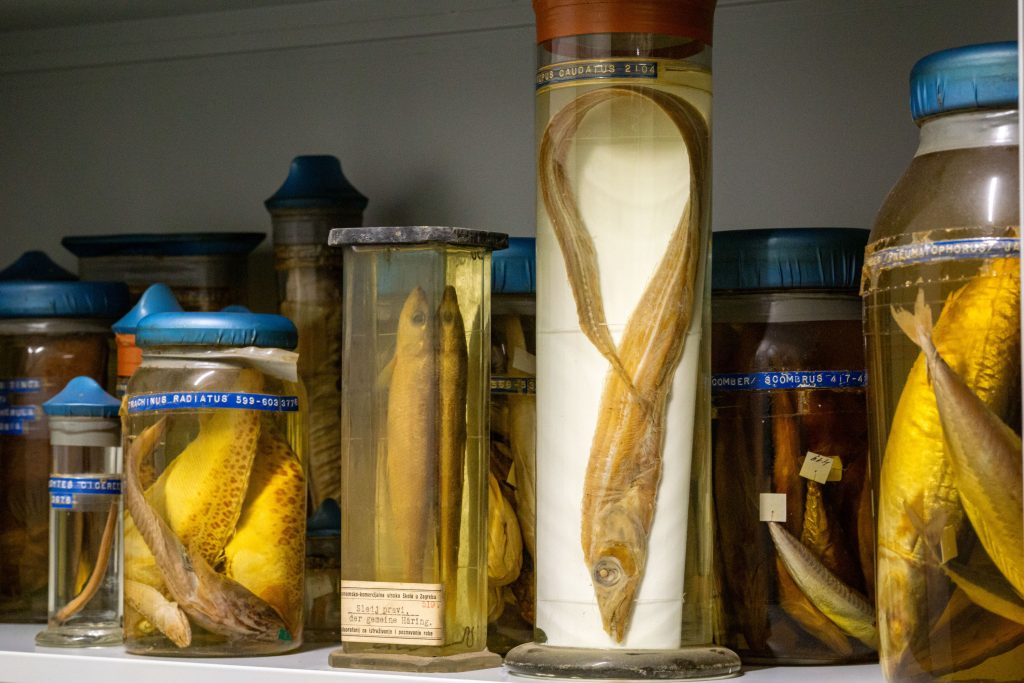
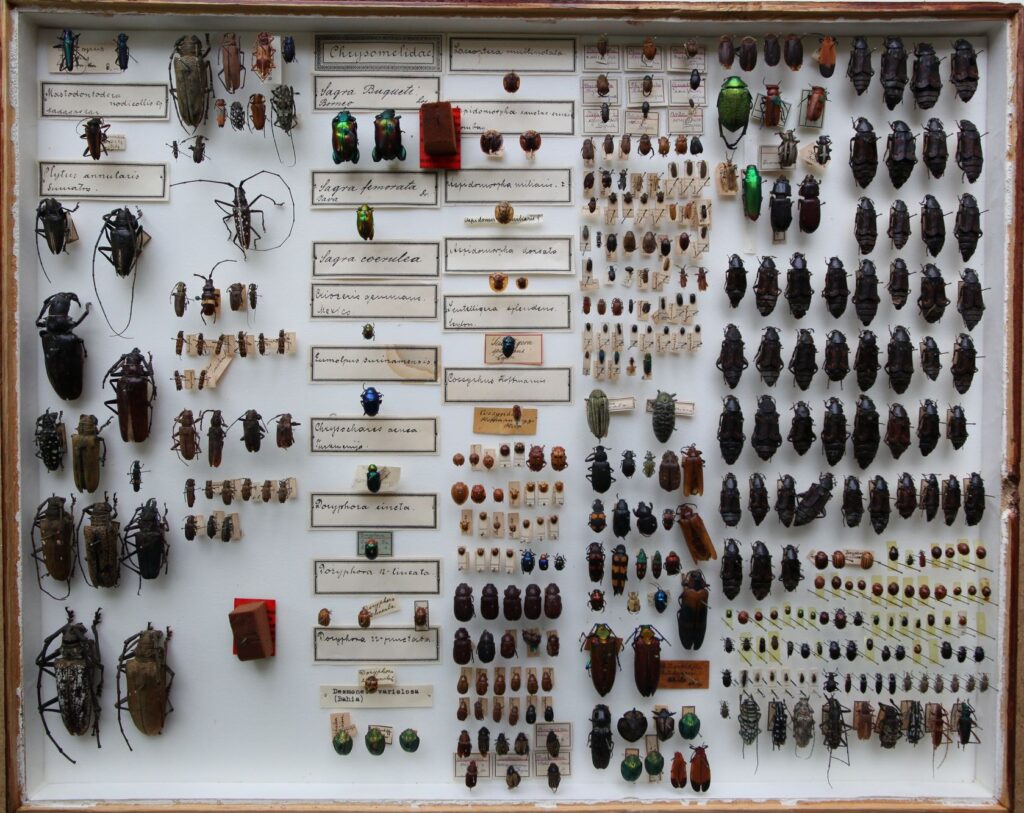
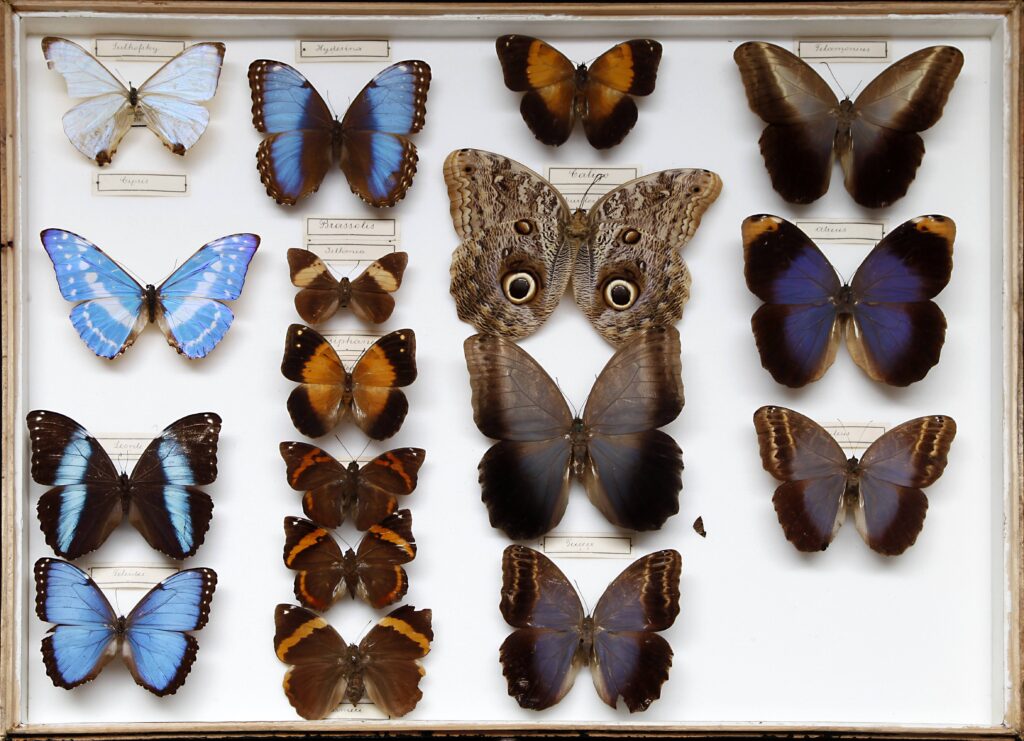
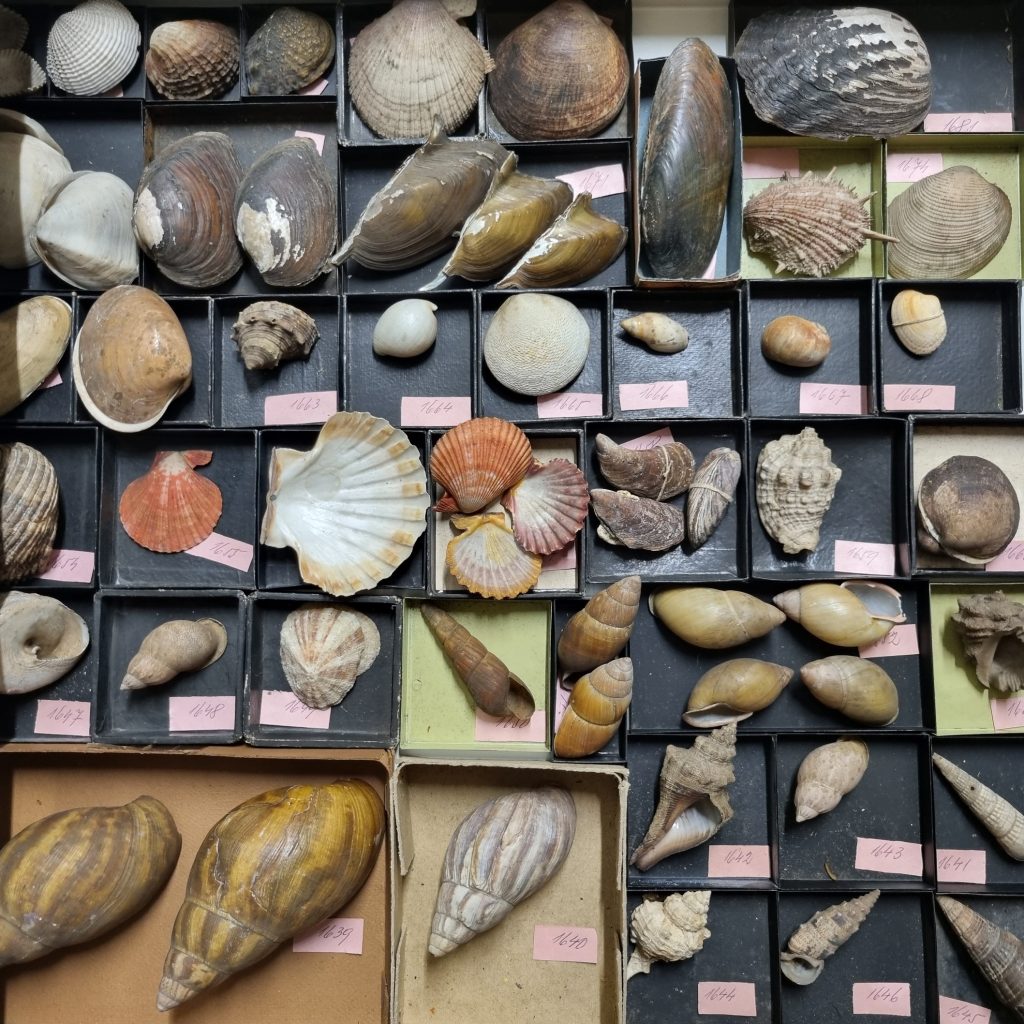
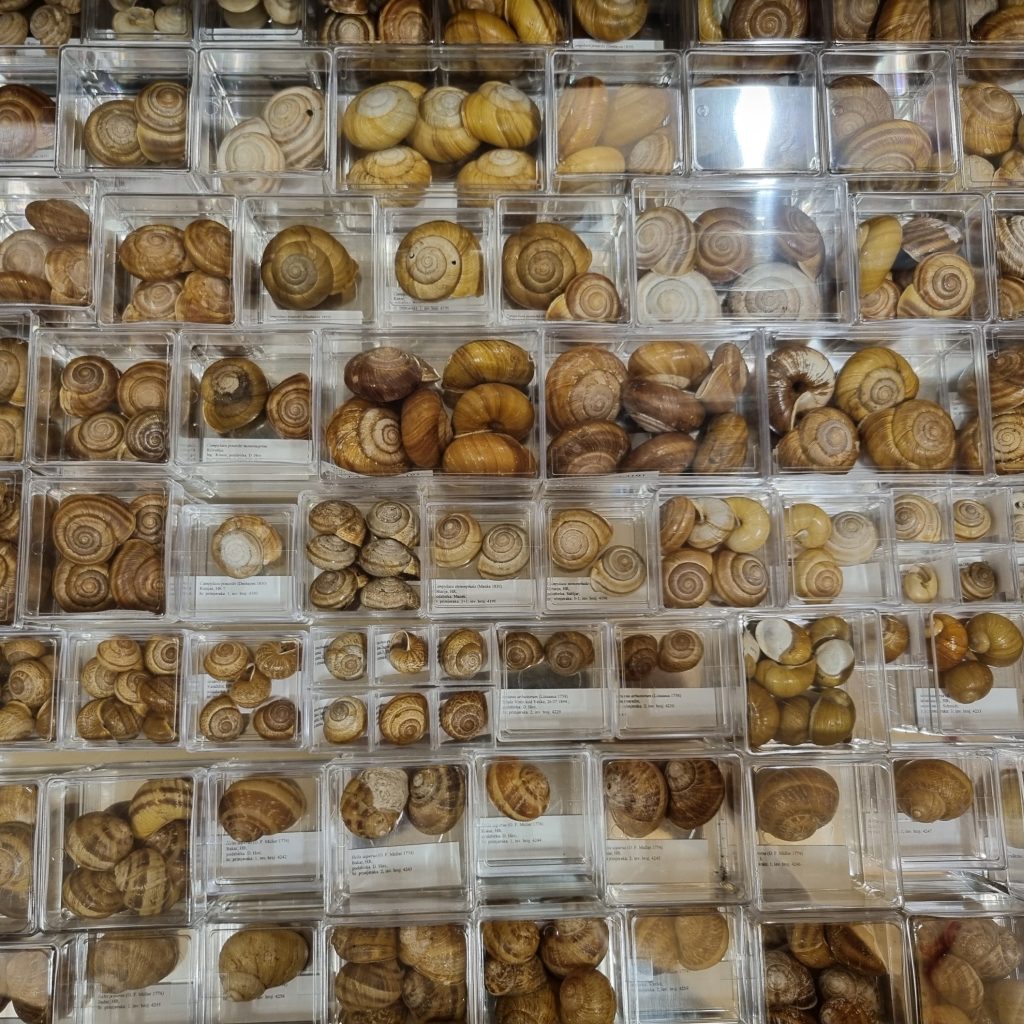
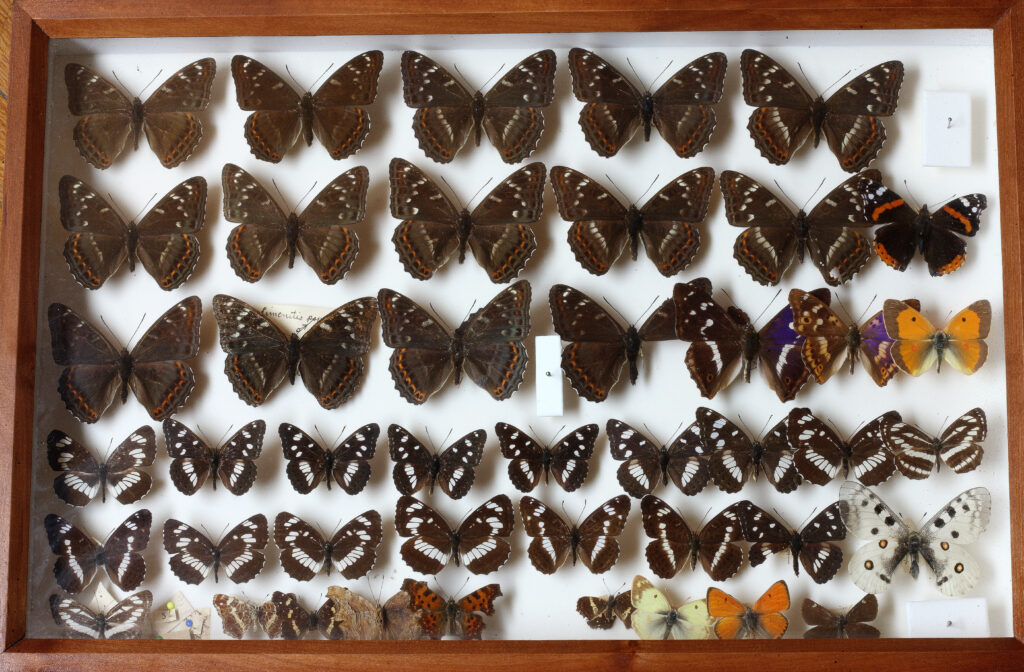
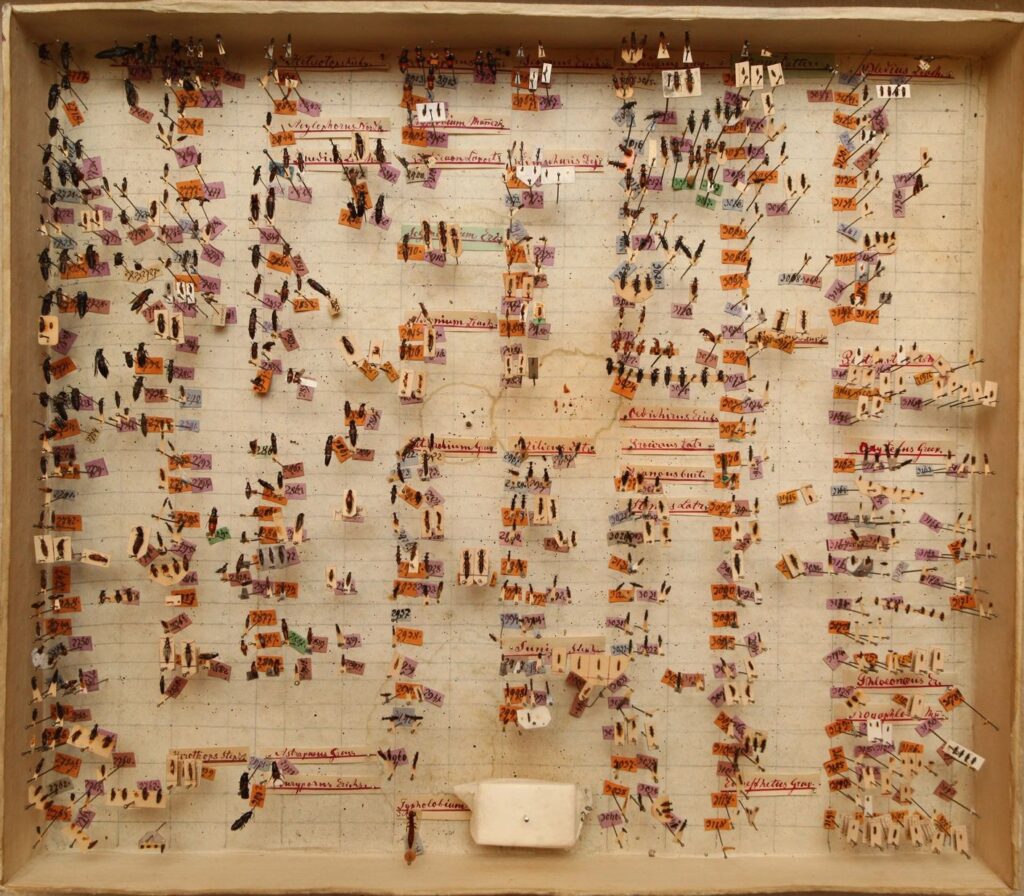
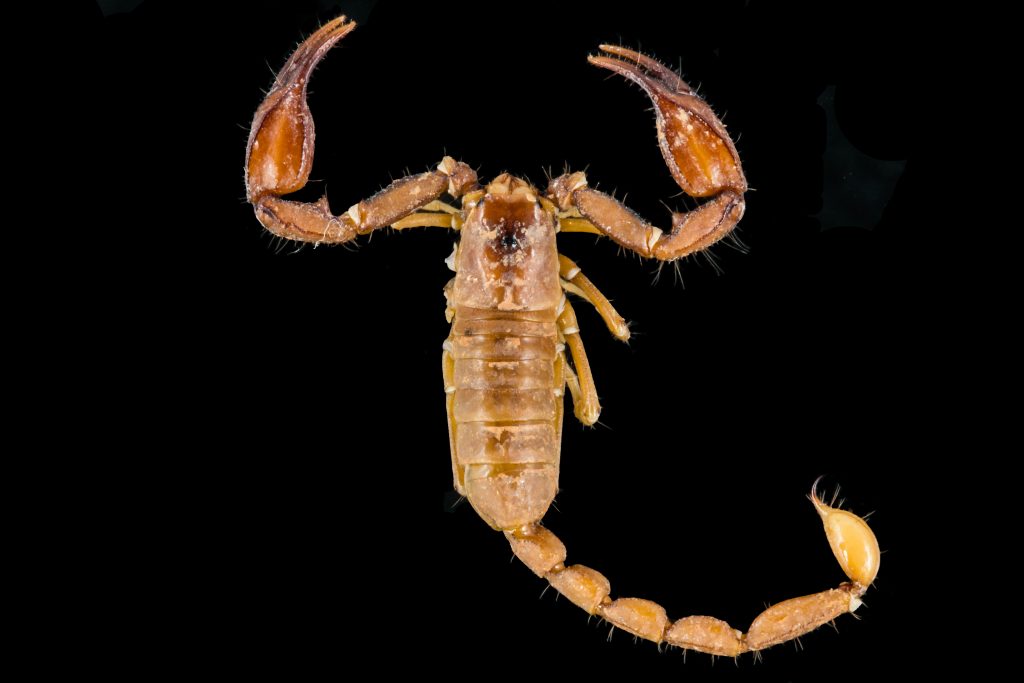
The museum’s Zoological Department includes specialists covering a wide range of animal groups — butterflies, beetles, mammals, amphibians and reptiles, fish, mollusks, subterranean animals — as well as scientific disciplines such as taxonomy, systematics, ecology, biodiversity conservation, GIS, genetics, and others.

Through the museum, the department is also involved in numerous research and conservation projects related to terrestrial and marine ecosystems, serving as a national center for biodiversity. Museum experts are members of various national and international professional bodies and organizations (such as IUCN, UNEP, ACCOBAMS, EUROBATS, Butterfly Conservation Europe, etc.) and provide expert services in the fields of biology, ecology, and biodiversity conservation.

One of the museum’s missions is education and raising public awareness in the field of nature protection through activities such as organizing exhibitions and publishing various materials including books, posters, leaflets, and catalogs.

During recent years, the department has led numerous national research projects within the museum framework, such as projects for the State Institute for Nature Protection, including proposals for the European NATURA 2000 network, projects funded by the Ministry of Science, Education and Sports of the Republic of Croatia, and participation in several international projects such as the World Bank project “KEC – Karst Ecosystem Conservation,” the PIN/MATRA project “Dinaric Alps Rare Habitats and Species Conservation Project,” and the UNDP COAST project “Conservation and Sustainable Use of Biodiversity in the Dalmatian Coast.”

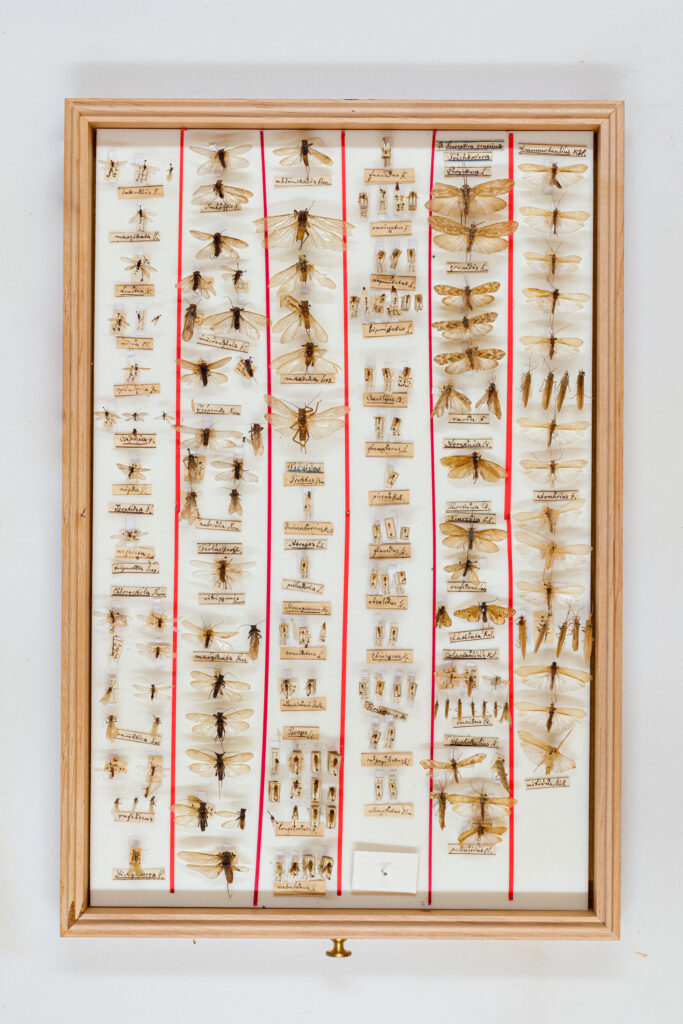
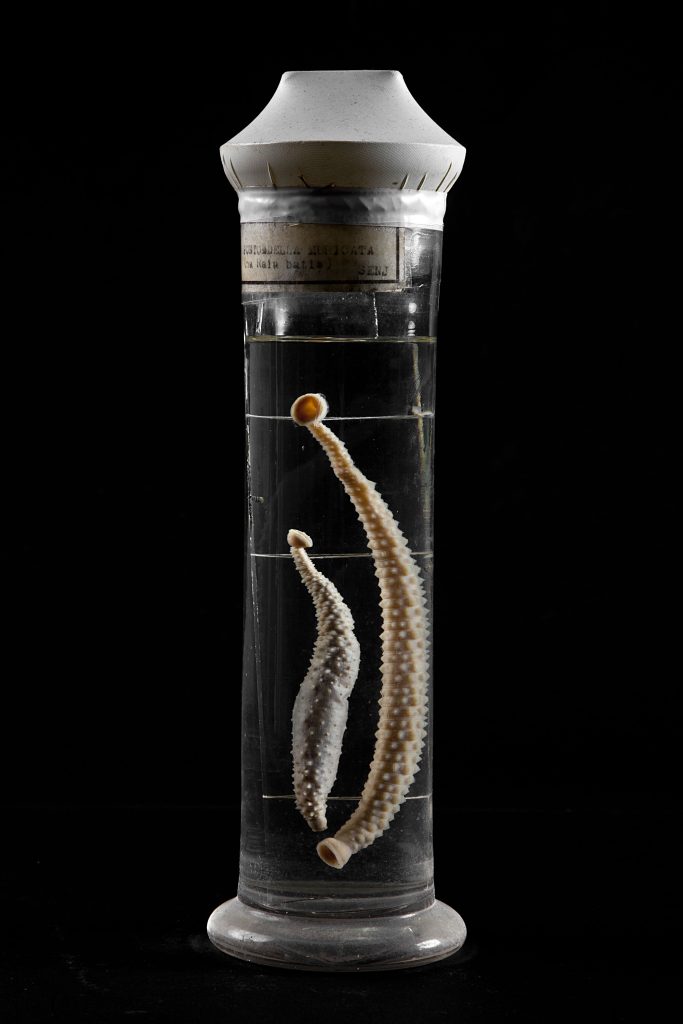
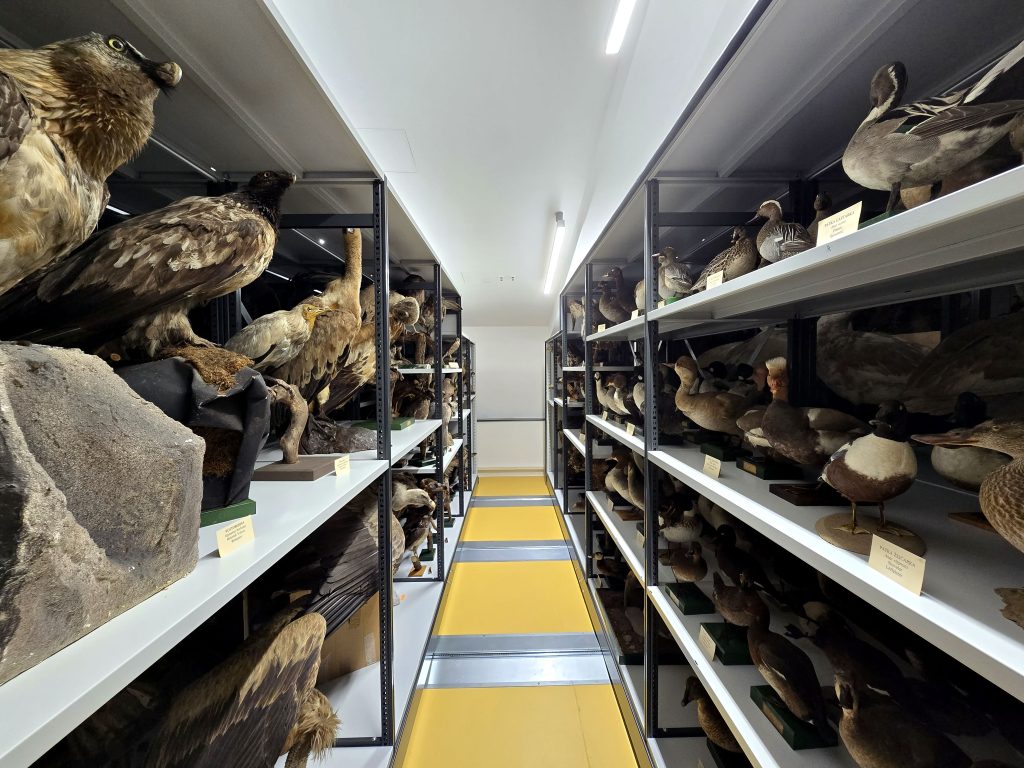
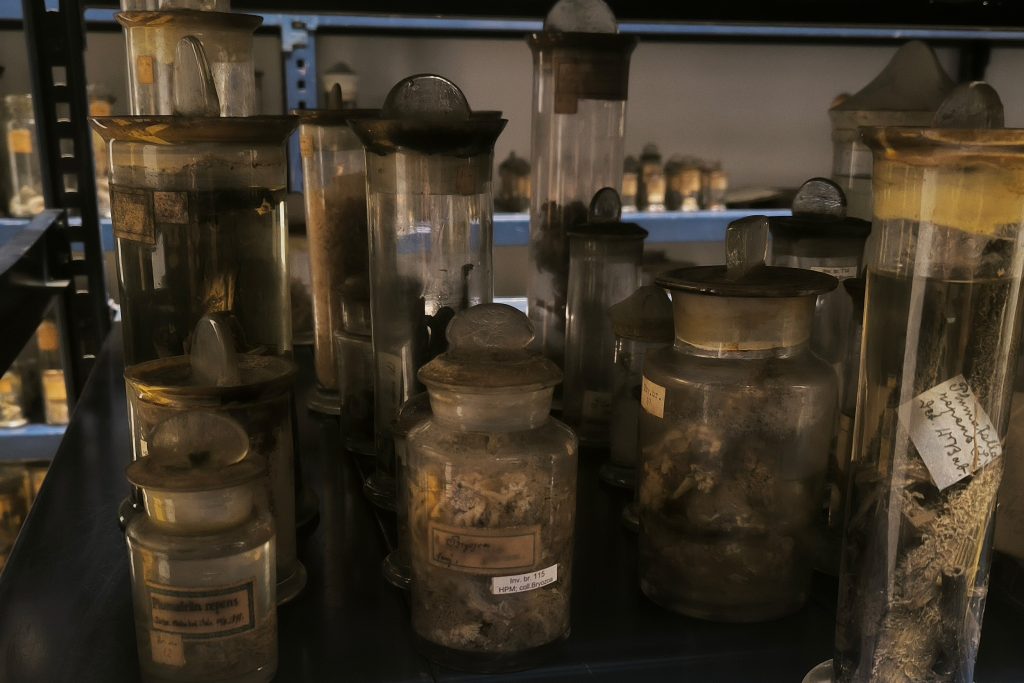
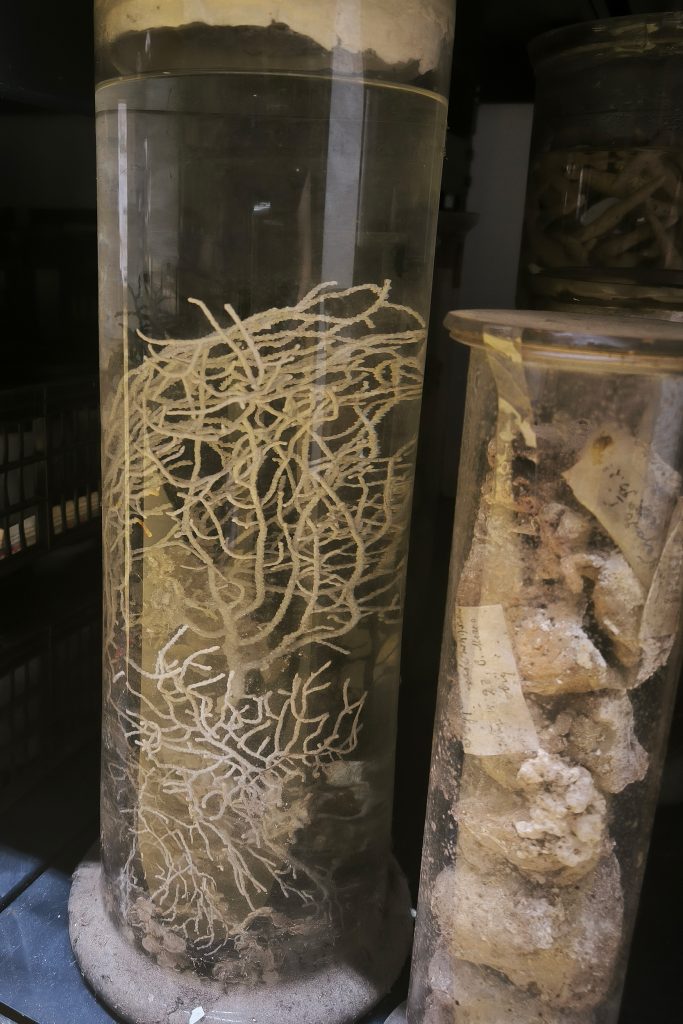
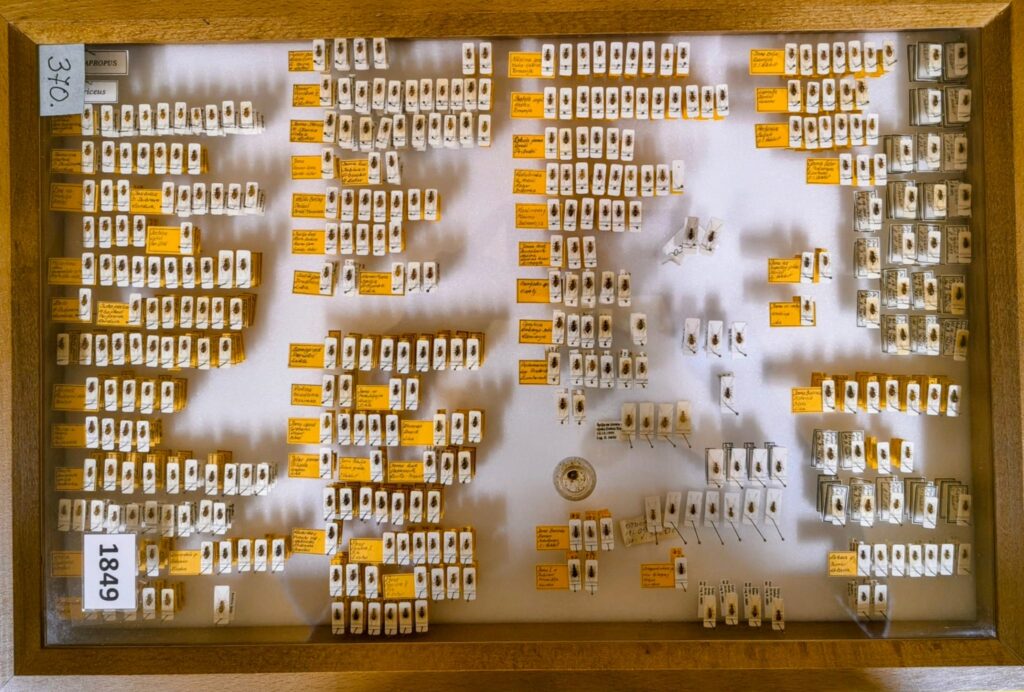
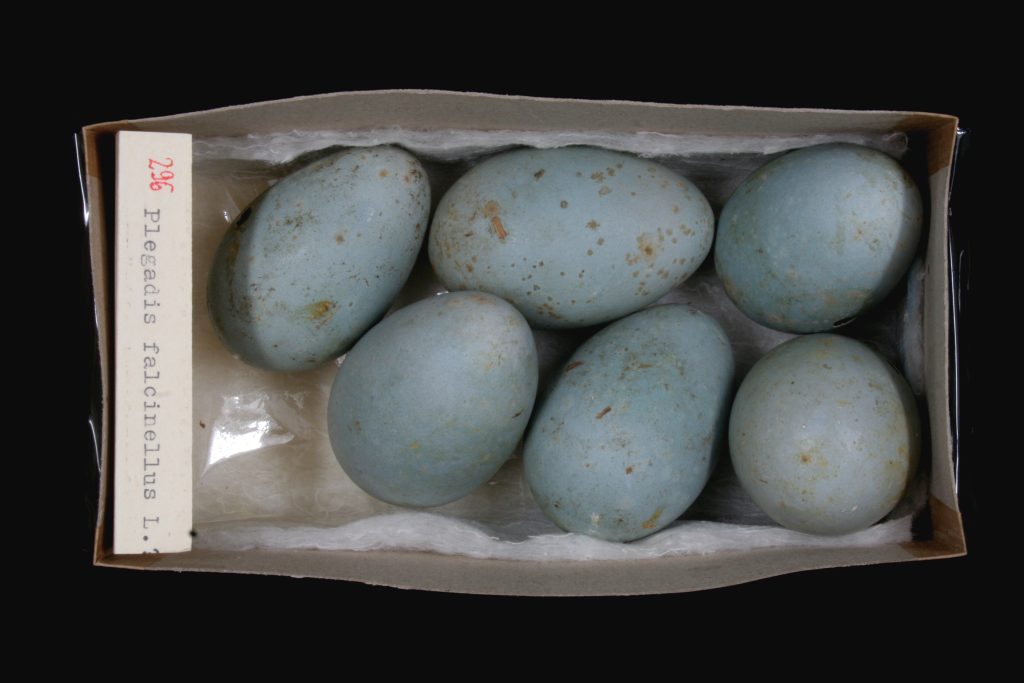
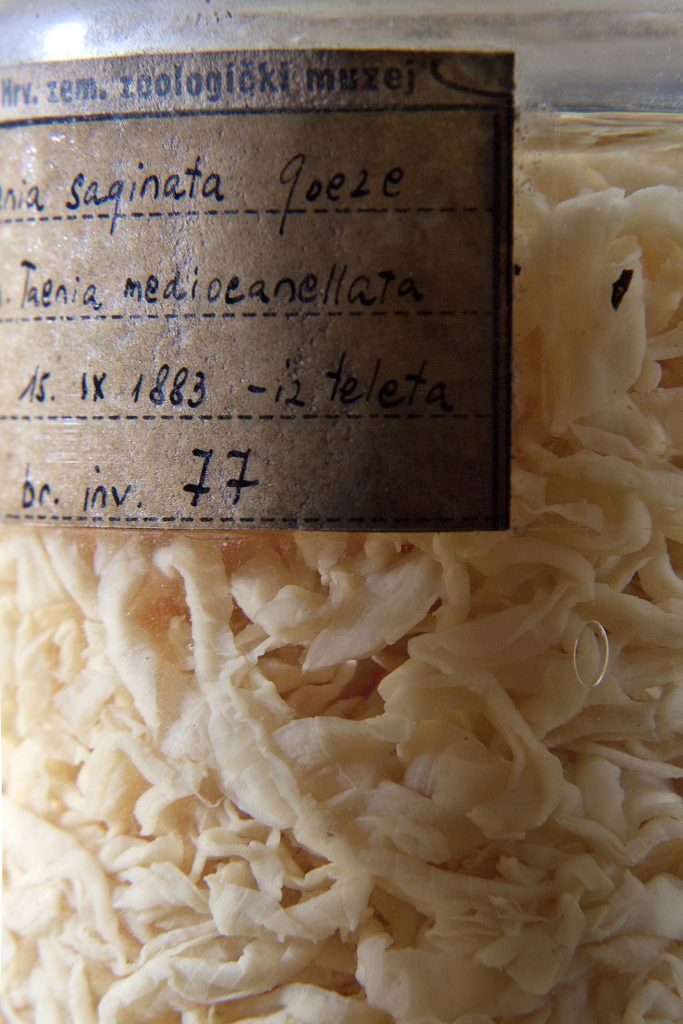
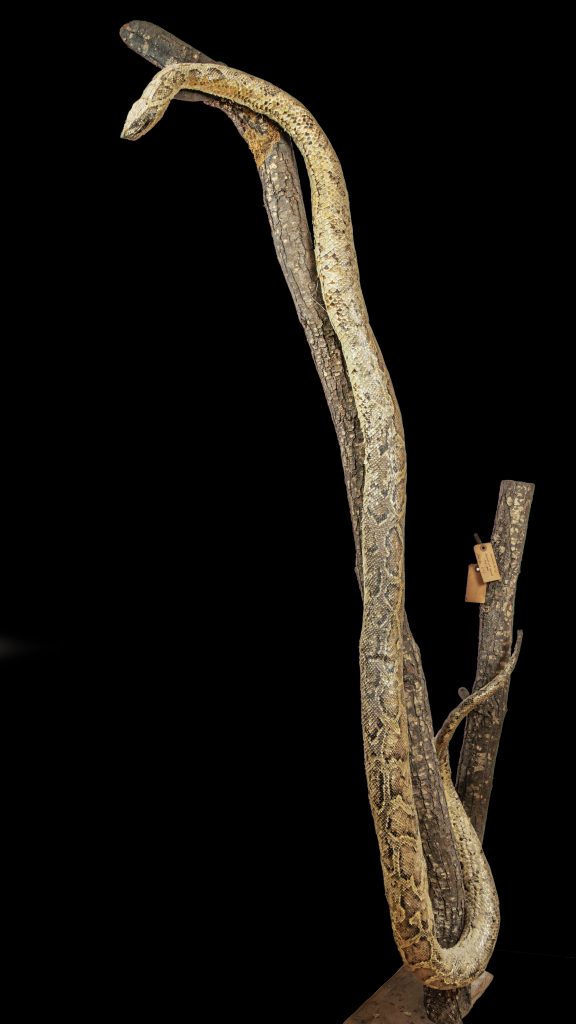
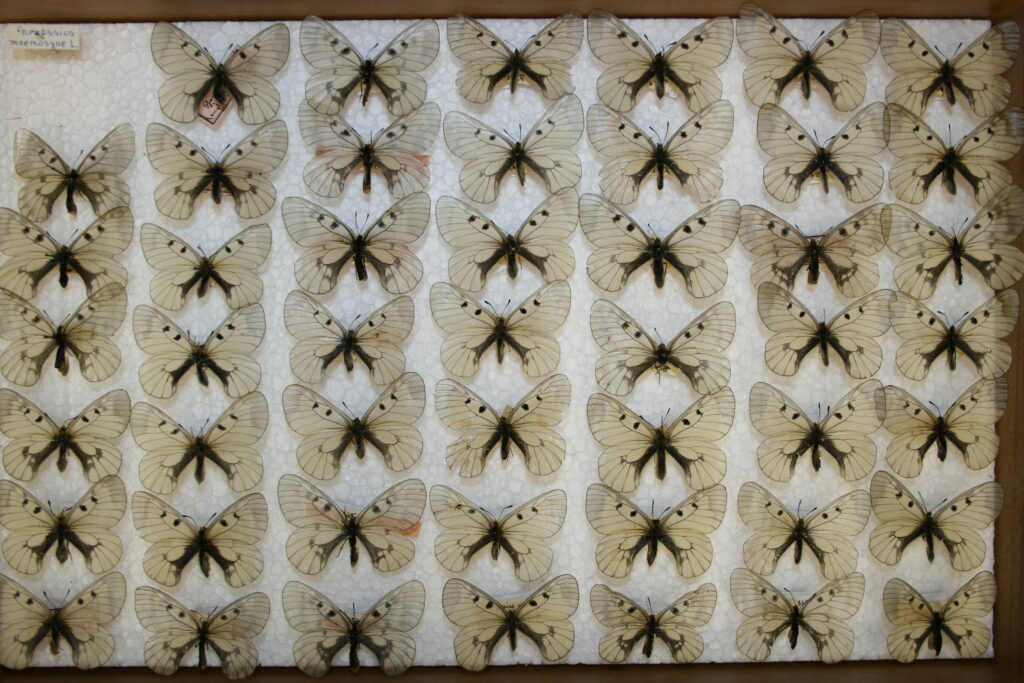
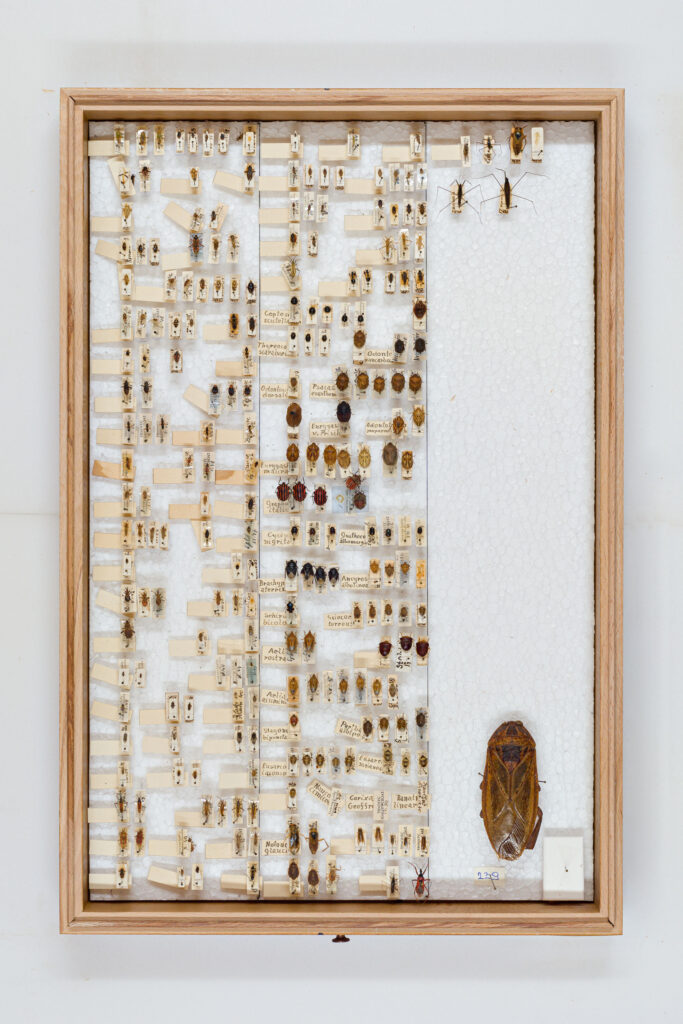
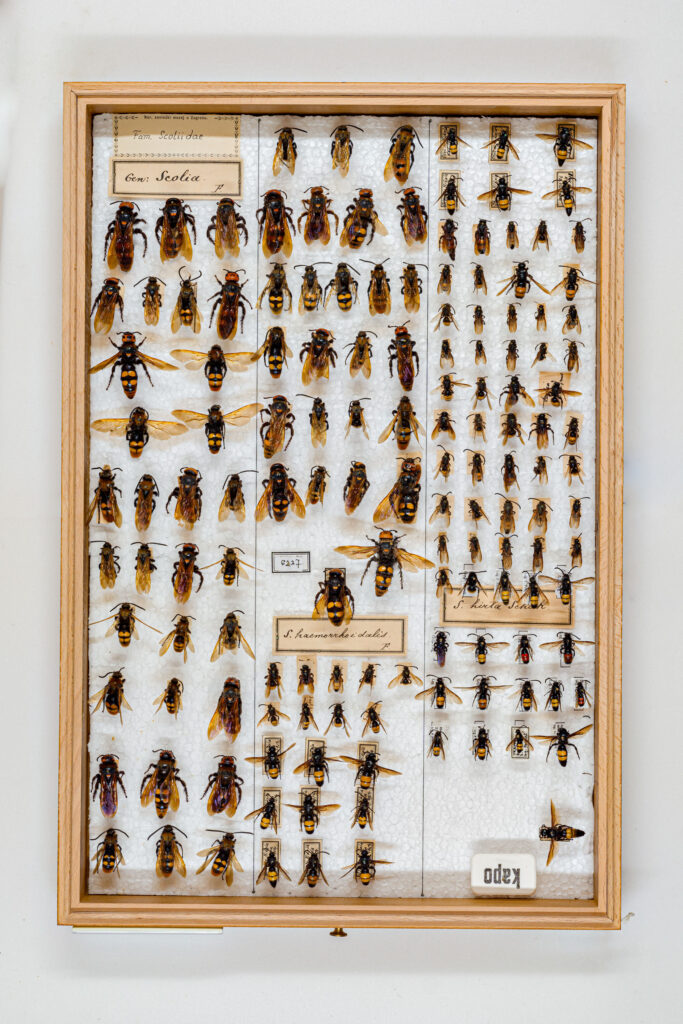
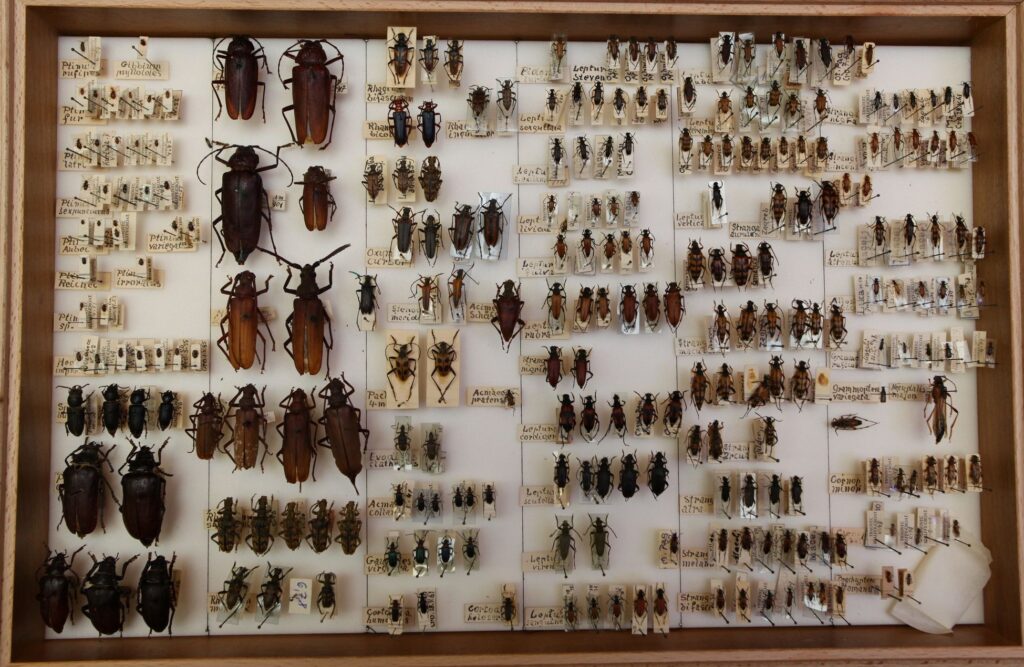
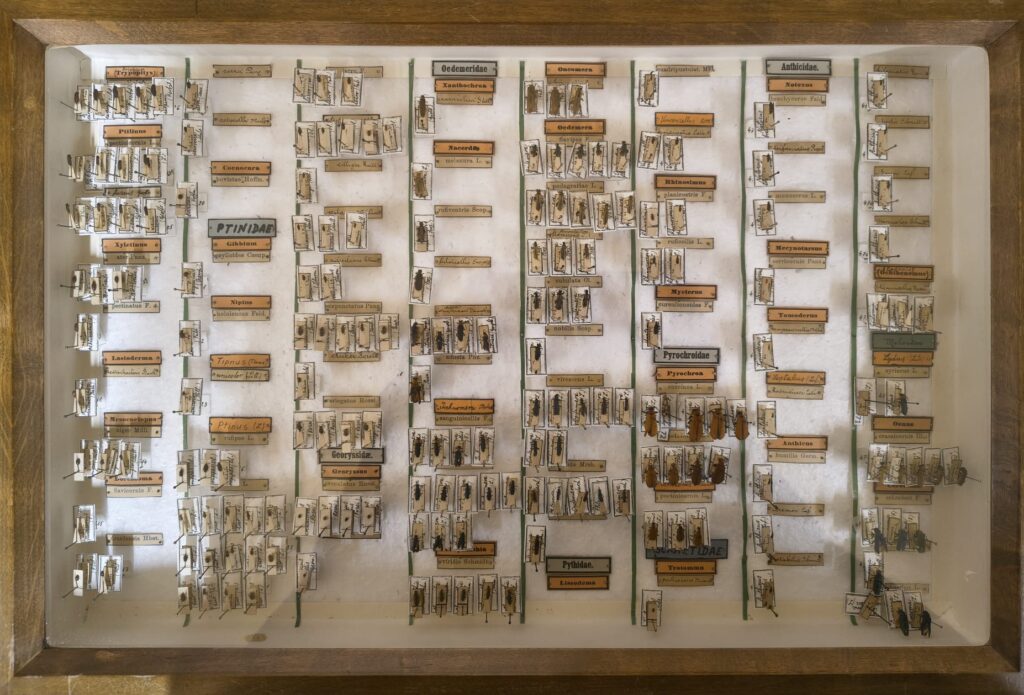
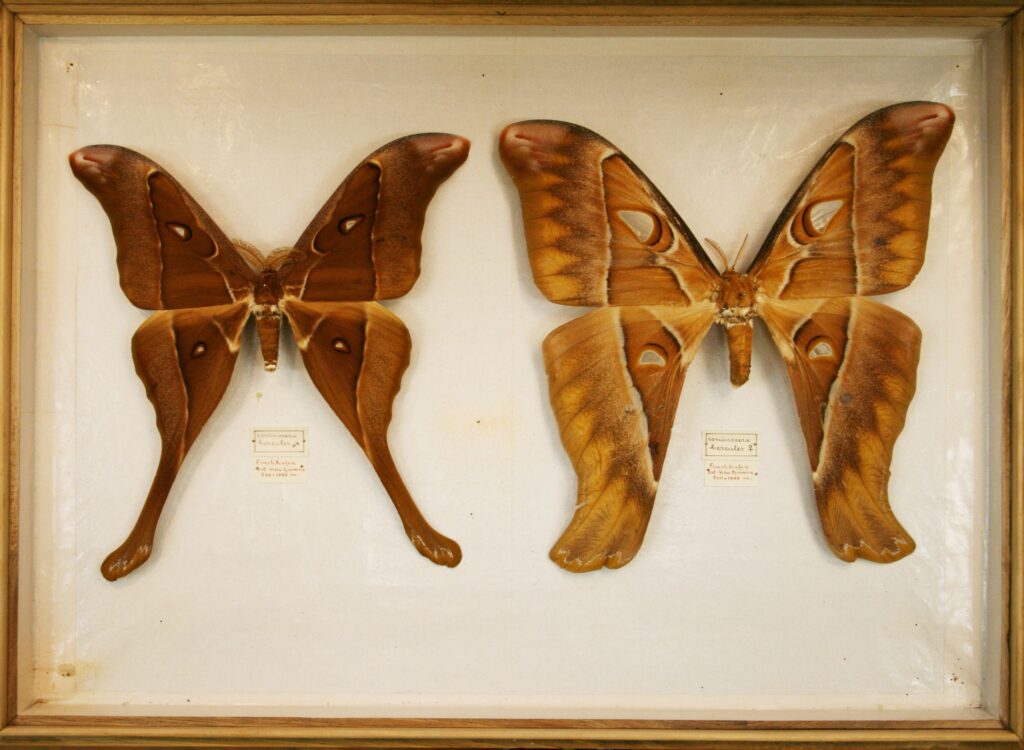
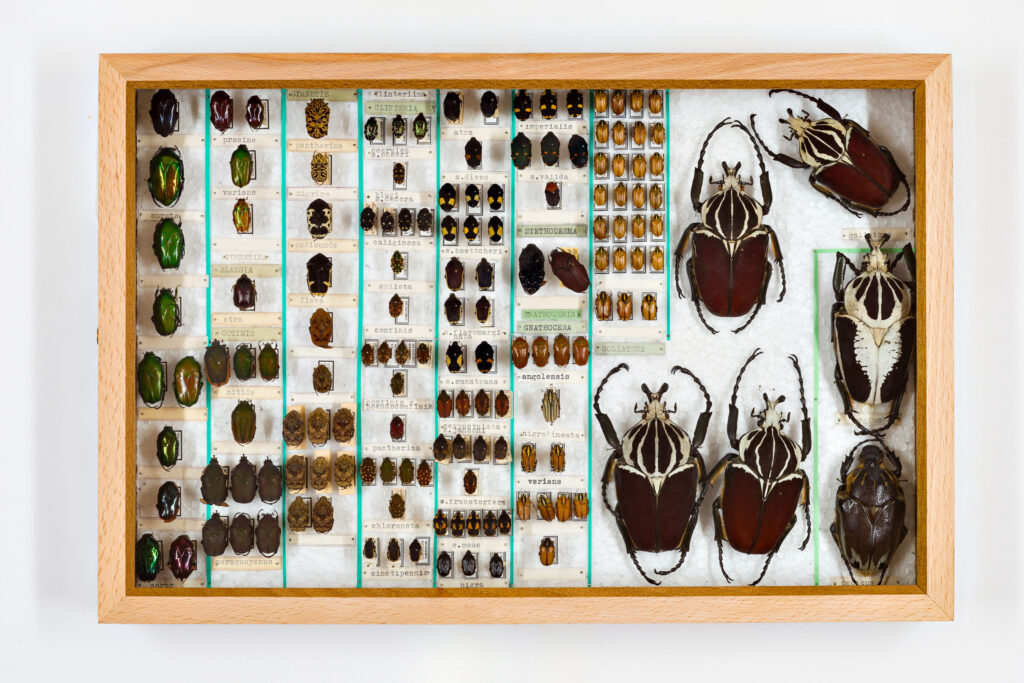
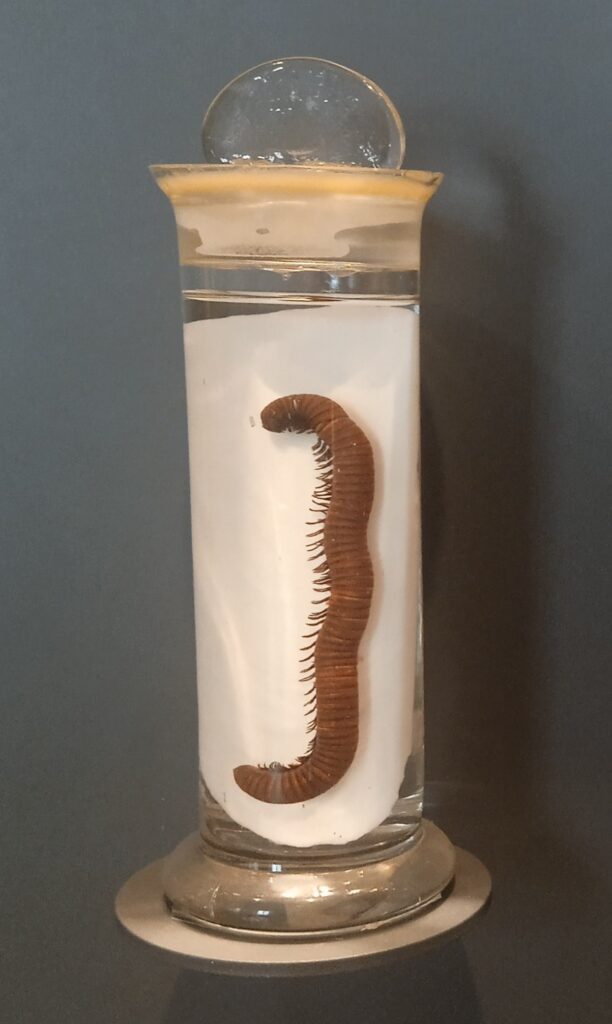
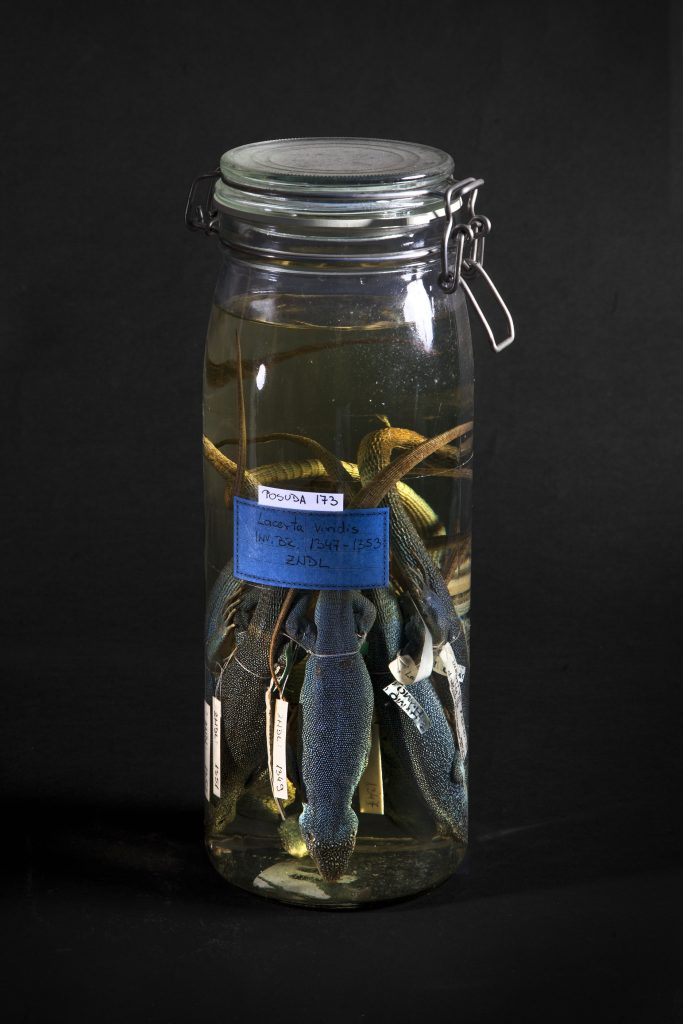
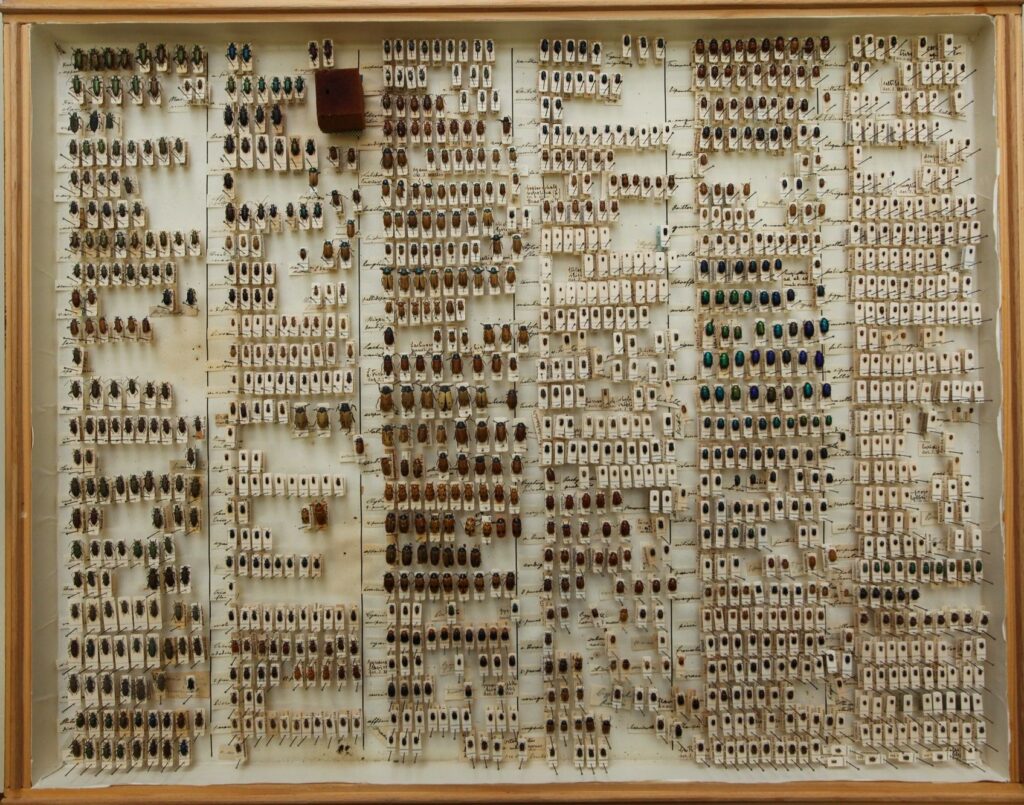
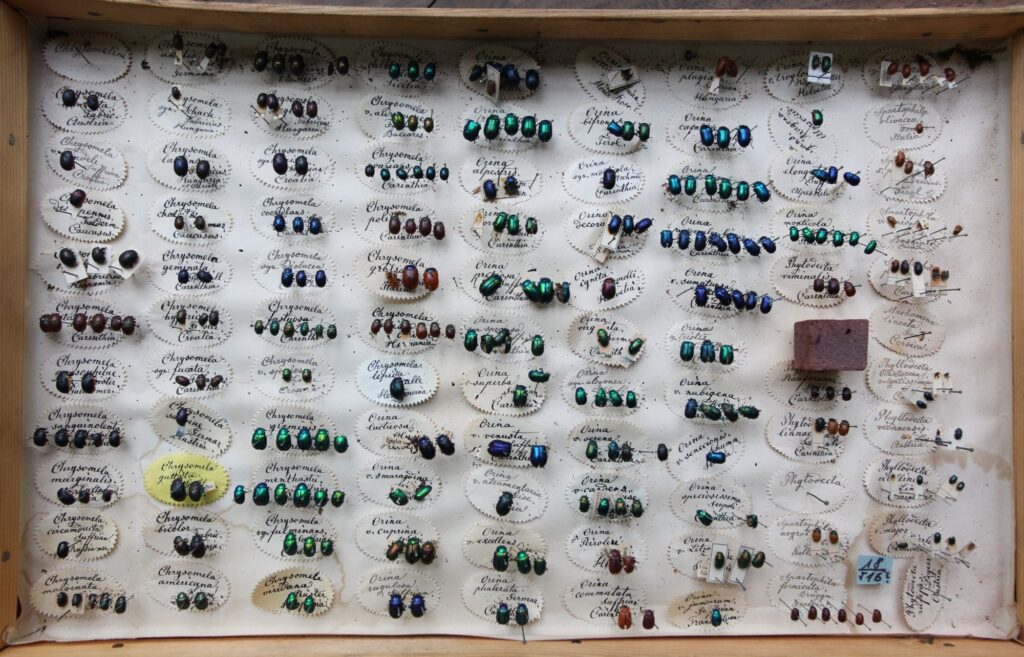
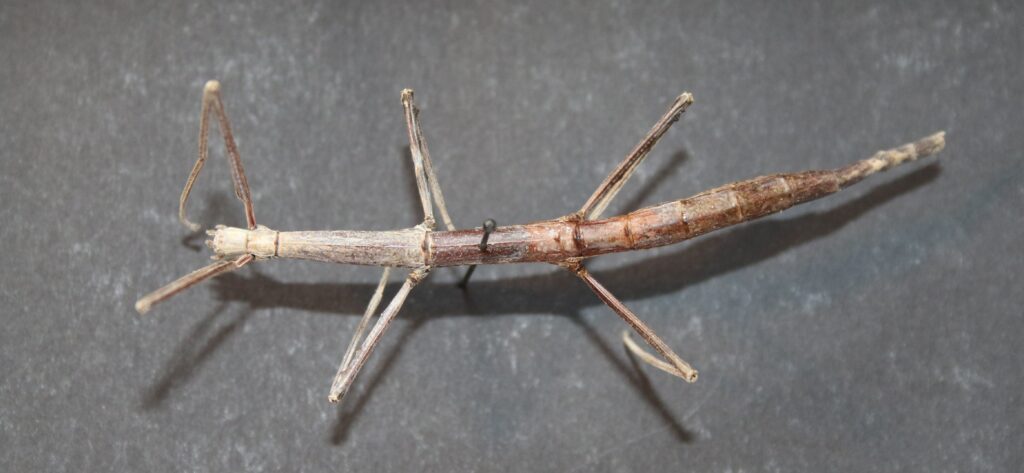
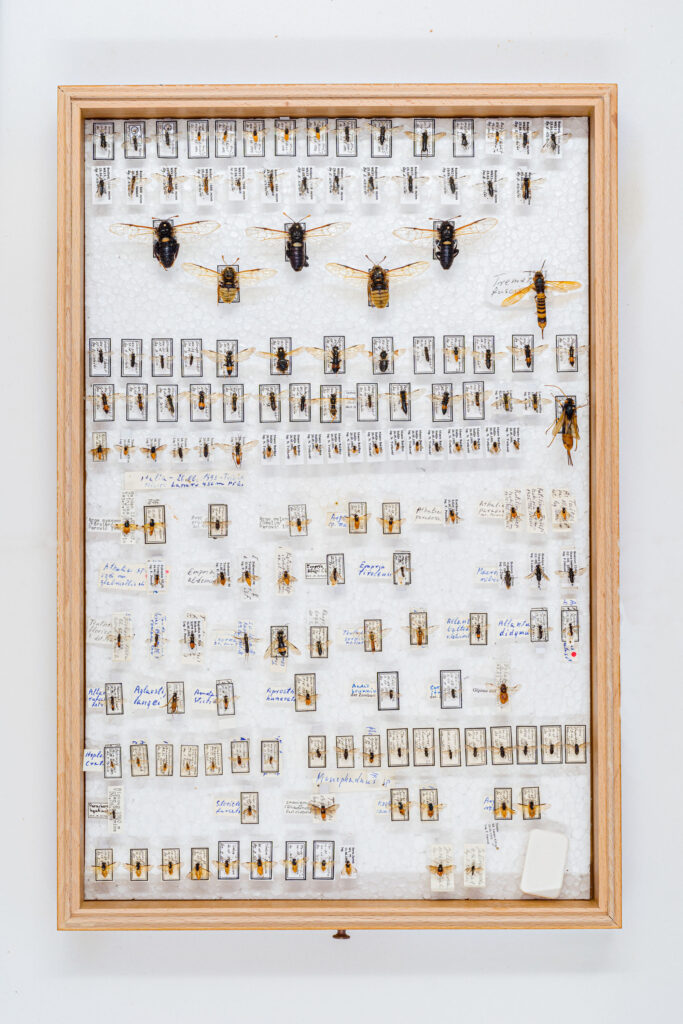
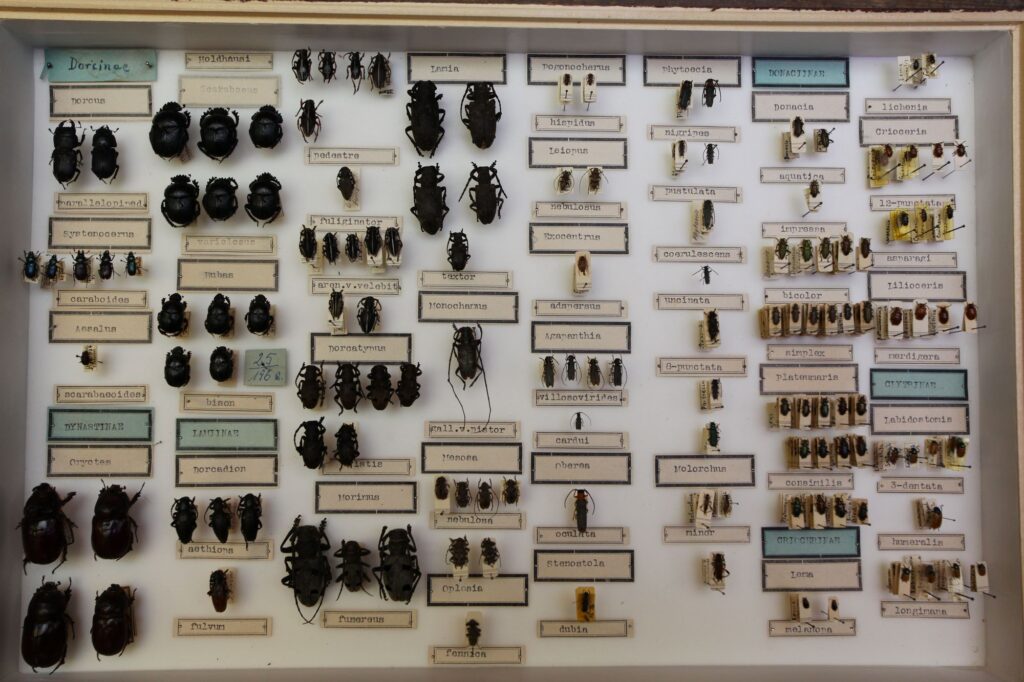
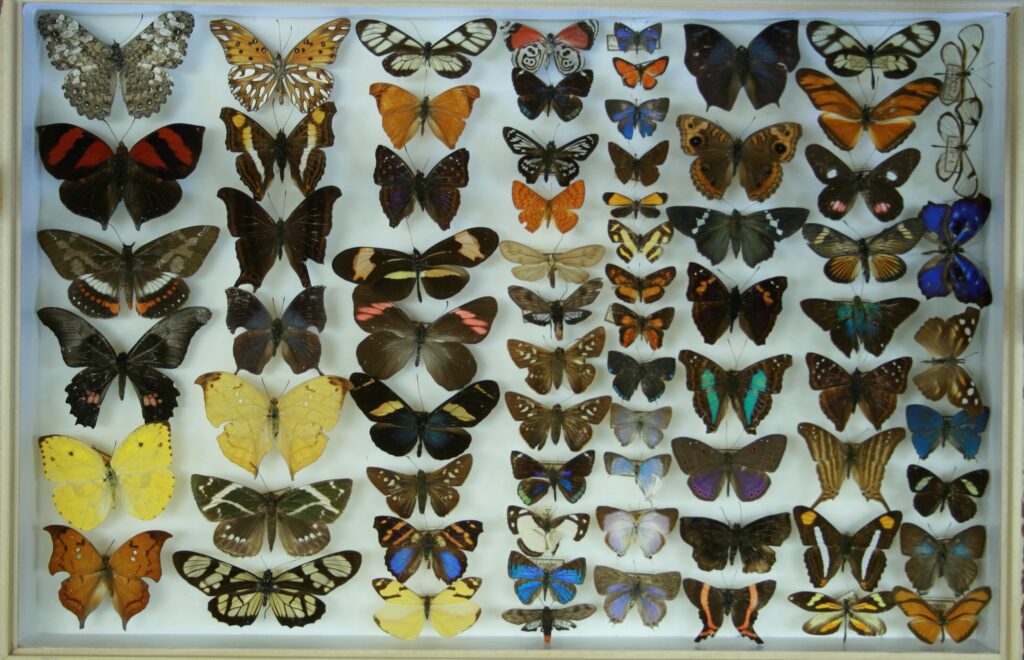
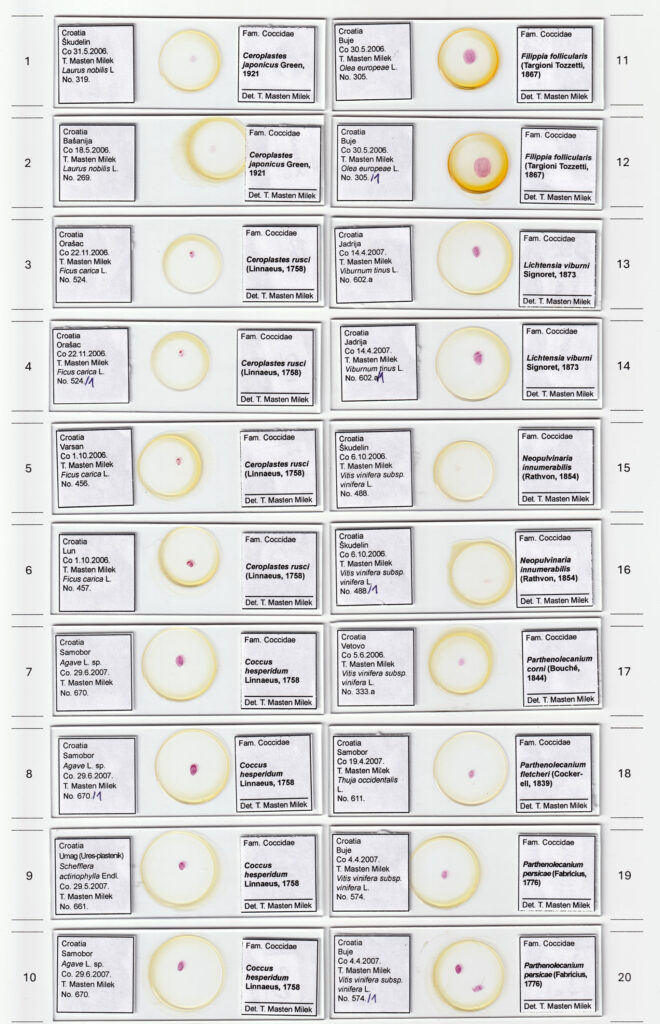
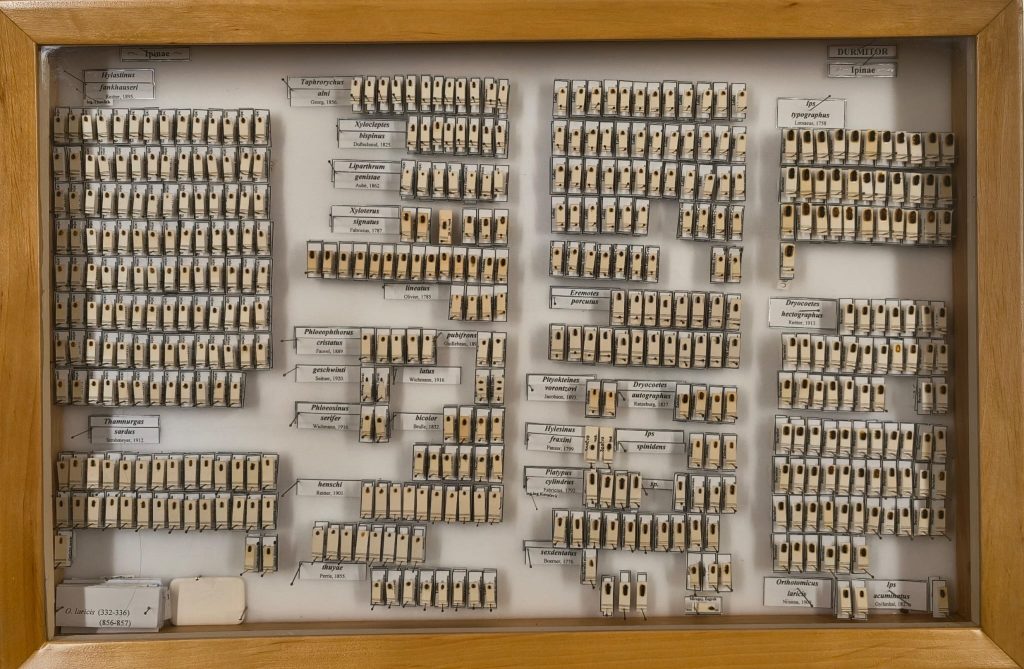
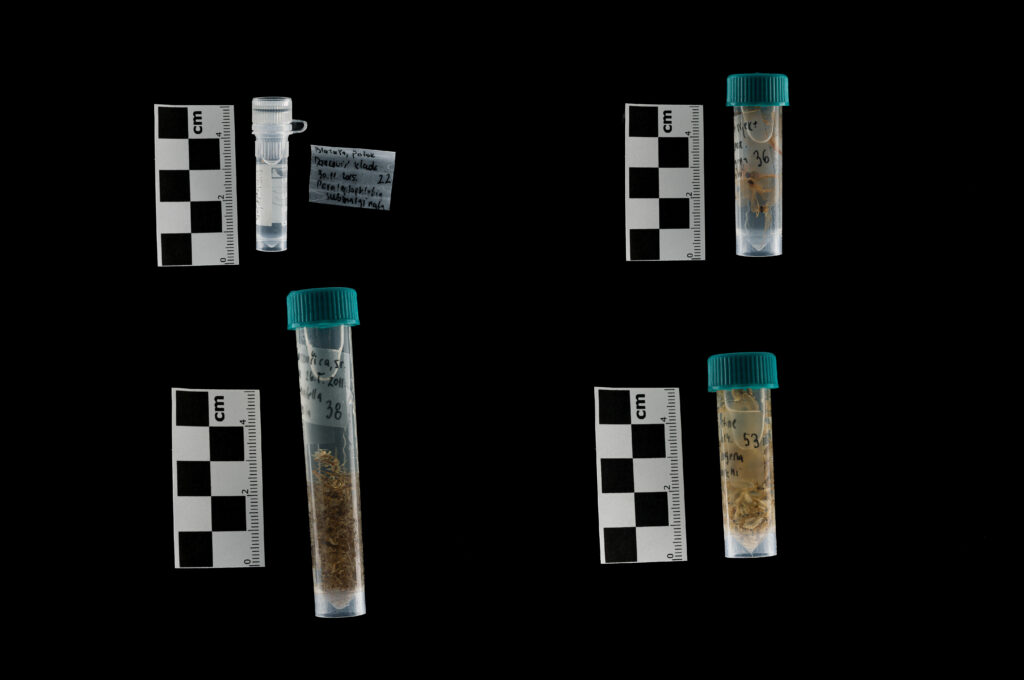
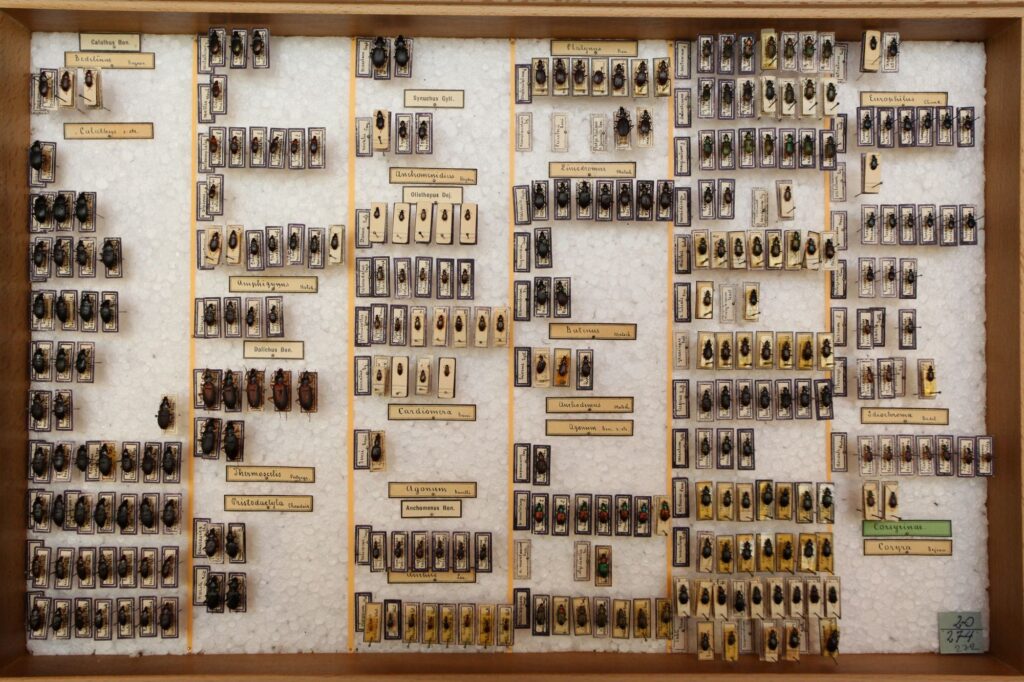
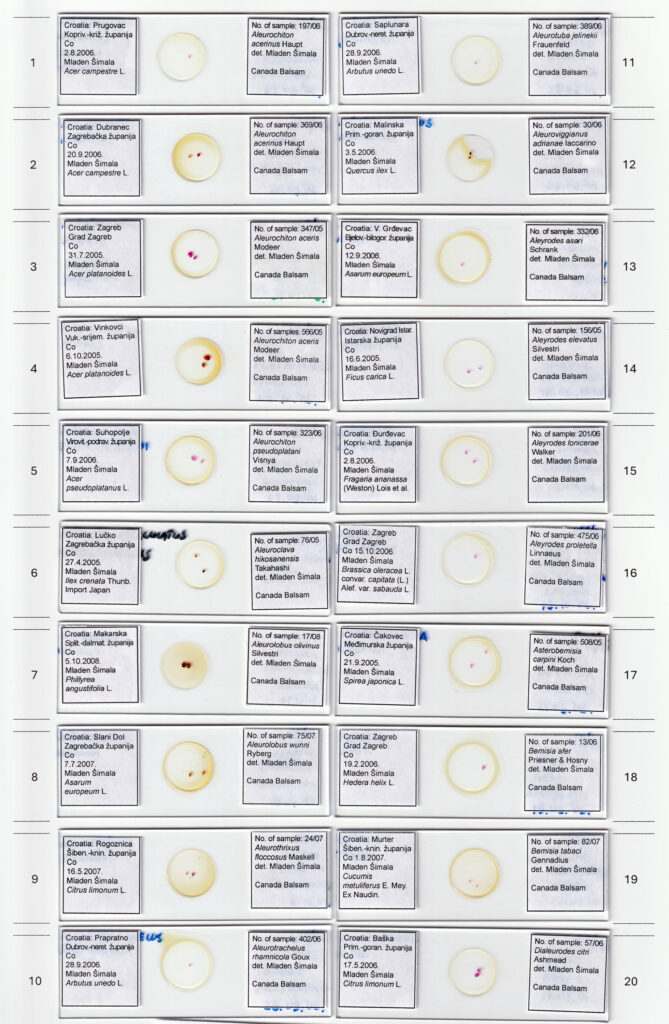
The Zoological Department of the Croatian Natural History Museum manages more than 60 collections containing approximately 2 million museum specimens. The specimens range from entire animals preserved dry or wet, exhibition specimens, scientific collections, body parts, and tissue collections for DNA analysis.

Collections

Today

The Zoological Department of the Croatian Natural History Museum traces its origins back to the founding of the National Museum in 1846, when, among others, there existed the collection of shells and conchs, the collection of insects, and the zoological collection. These collections, along with other natural specimens, were initially managed by the first museum collections curator, Dragutin Rakovec. Later, until 1866, the responsibility was carried out by Mijat Sabljar, Aleksa Praunsperger, Ljudevit Vukotinović, and Josip Schlosser.

Photo: Spiridon Brusina

With the establishment of the National Museum under the administration of the then newly founded Yugoslav Academy, these collections became part of the Natural History Department, where Spiridon Brusina became curator and later director of the Zoological Museum (1868–1901).

The museum collections he inherited in 1866 consisted of 40 mammals, 260 birds, 1,900 beetle species, and 400 butterflies, together with Sabljar’s collection of terrestrial and freshwater mollusks from Croatia and Slavonia.

According to Brusina’s official report from 1899, the collections at that time included foraminifera (Foraminifera), sponges (Porifera), coelenterates (Coelenterata), corals (Anthozoa), worms (Helmintha), echinoderms (Echinodermata), crustaceans (Crustacea), myriapods (Myriapoda), insects (Insecta), spiders (Arachoidea), mollusks (Mollusca), fish (Pisces), amphibians (Amphibia), reptiles (Reptilia), birds (Aves), and mammals (Mammalia), with the total number reaching approximately 90,000 museum specimens.

Photo: August Langhoffer

The collections were maintained not only by the director, who also served as curator, but also by highly skilled taxidermists such as Slavoljub Vormastini, Peter Baraga, Pavao Allinger, and Alojz Magerle.

After Brusina, directors of the independent Zoological Museum included August Langhoffer (1901–1927), Krunoslav Babić (1927–1943, 1945), Tonko Šoljan (1943–1944), and Nikola Fink (1945–1950), all of whom simultaneously served as university professors of zoology and heads of the University Zoological Institute.

In 1950, the Croatian National Zoological Museum became an independent institution of the City of Zagreb.

Its directors included Milan Kaman (1950–1958), Stjepan Čanađija (1958–?), Marija Stošić (?–1985), and Nikola Tvrtković (1985–1986), who soon became the first director of the newly established Croatian Natural History Museum and held the position until 2004.

During 1951/52, the museum also operated a taxidermy school where approximately 25 taxidermists from all republics and provinces of Yugoslavia were trained.

Among the more notable curators working at the museum were Lidija Mladinov (entomology) and Konstantin Igalffy (vertebrates), as well as the distinguished taxidermist Josip Žiljak.

History

The Zoological Department of the Croatian Natural History Museum traces its origins back to the founding of the National Museum in 1846, when, among others, there existed the collection of shells and conchs, the collection of insects, and the zoological collection. These collections, along with other natural specimens, were initially managed by the first museum collections curator, Dragutin Rakovec. Later, until 1866, the responsibility was carried out by Mijat Sabljar, Aleksa Praunsperger, Ljudevit Vukotinović, and Josip Schlosser.

Photo: Spiridon Brusina

With the establishment of the National Museum under the administration of the then newly founded Yugoslav Academy, these collections became part of the Natural History Department, where Spiridon Brusina became curator and later director of the Zoological Museum (1868–1901).

The museum collections he inherited in 1866 consisted of 40 mammals, 260 birds, 1,900 beetle species, and 400 butterflies, together with Sabljar’s collection of terrestrial and freshwater mollusks from Croatia and Slavonia.

According to Brusina’s official report from 1899, the collections at that time included foraminifera (Foraminifera), sponges (Porifera), coelenterates (Coelenterata), corals (Anthozoa), worms (Helmintha), echinoderms (Echinodermata), crustaceans (Crustacea), myriapods (Myriapoda), insects (Insecta), spiders (Arachoidea), mollusks (Mollusca), fish (Pisces), amphibians (Amphibia), reptiles (Reptilia), birds (Aves), and mammals (Mammalia), with the total number reaching approximately 90,000 museum specimens.

Photo: August Langhoffer

The collections were maintained not only by the director, who also served as curator, but also by highly skilled taxidermists such as Slavoljub Vormastini, Peter Baraga, Pavao Allinger, and Alojz Magerle.

After Brusina, directors of the independent Zoological Museum included August Langhoffer (1901–1927), Krunoslav Babić (1927–1943, 1945), Tonko Šoljan (1943–1944), and Nikola Fink (1945–1950), all of whom simultaneously served as university professors of zoology and heads of the University Zoological Institute.

In 1950, the Croatian National Zoological Museum became an independent institution of the City of Zagreb.

Its directors included Milan Kaman (1950–1958), Stjepan Čanađija (1958–?), Marija Stošić (?–1985), and Nikola Tvrtković (1985–1986), who soon became the first director of the newly established Croatian Natural History Museum and held the position until 2004.

During 1951/52, the museum also operated a taxidermy school where approximately 25 taxidermists from all republics and provinces of Yugoslavia were trained.

Among the more notable curators working at the museum were Lidija Mladinov (entomology) and Konstantin Igalffy (vertebrates), as well as the distinguished taxidermist Josip Žiljak.