Laboratory for electron microscopy
The Laboratory for electron microscopy at the Croatian Natural History Museum conducts detailed studies of natural history specimens using methods that go beyond the capabilities of standard optical microscopy.
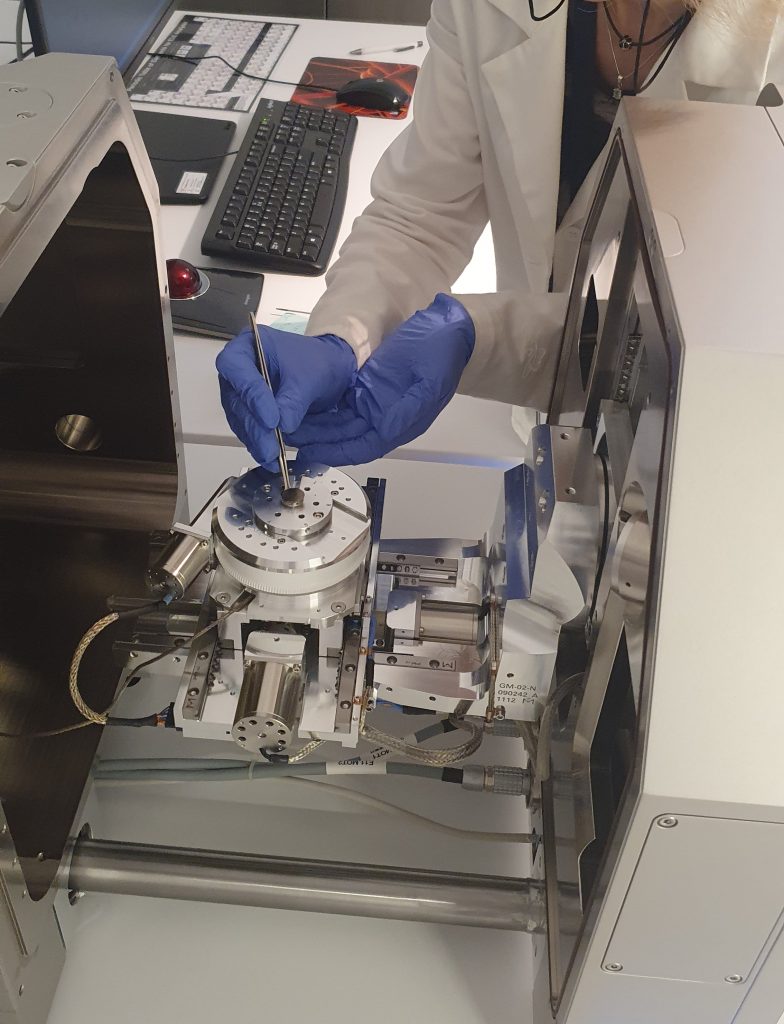
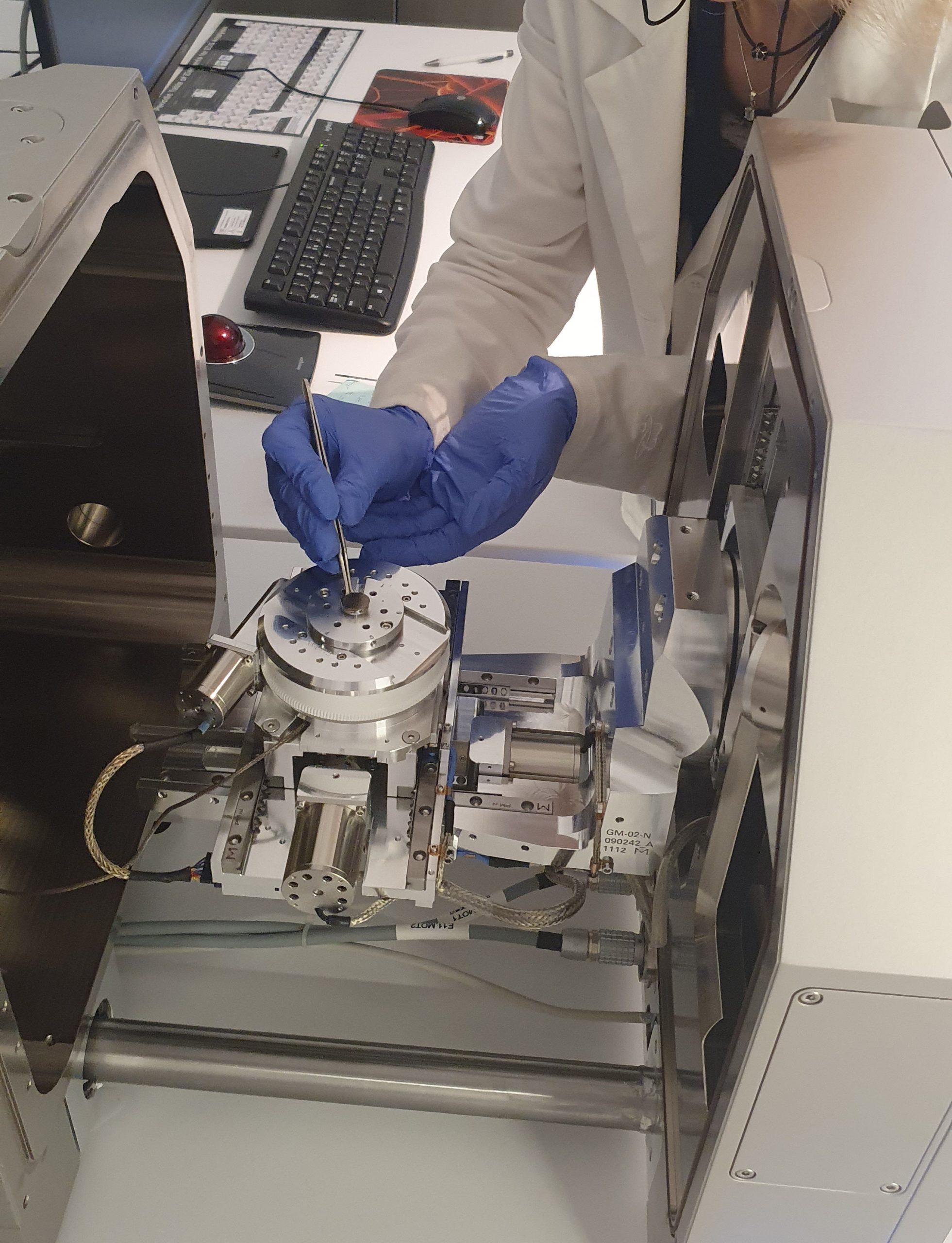
The laboratory is equipped with a Scanning Electron Microscope (SEM) and sample preparation instruments. The SEM system includes various detectors for advanced analysis: Secondary Electron detector (SE), Backscattered Electron detector (BSE), Energy-Dispersive X-ray Spectrometer for elemental analysis (EDS), Cathodoluminescence detector (CL) and detector for acquiring TEM images using a SEM microscope (STEM).
SEM laboratory
Advanced microscopy and microanalysis for minerals, rocks, fossils, and botanical and zoological specimens.
Microscopic sample analysis
Scanning electron microscopy is used to study the surface features and chemical composition of minerals, rocks, fossils, and botanical and zoological specimens. It enables the visualization of samples at high resolution and extremely high magnifications, allowing detailed study of their structure and properties.
The data obtained are used for the identification, comparison, and interpretation of natural history specimens, providing valuable insight into their structure, composition, and morphological characteristics.
- minerals, rocks and fossils
- botanical and zoological specimens
- surface features, composition and morphology
Data documentation
The analysis results are stored as digital micrographs (SEM images) and analytical data, ensuring permanent documentation of the samples and enabling further processing, comparison, and use in professional and scientific publications, databases, and exhibition projects.
- digital micrographs
- analytical data
- professional and scientific publications
Support for professional and scientific research
Electron microscopy is a vital tool for professional and scientific research. The results contribute to the study of biodiversity, geological heritage, taxonomic identification, and interdisciplinary research carried out in collaboration with domestic and international scientific institutions.
- biodiversity
- geological heritage
- taxonomic identification
- interdisciplinary collaboration
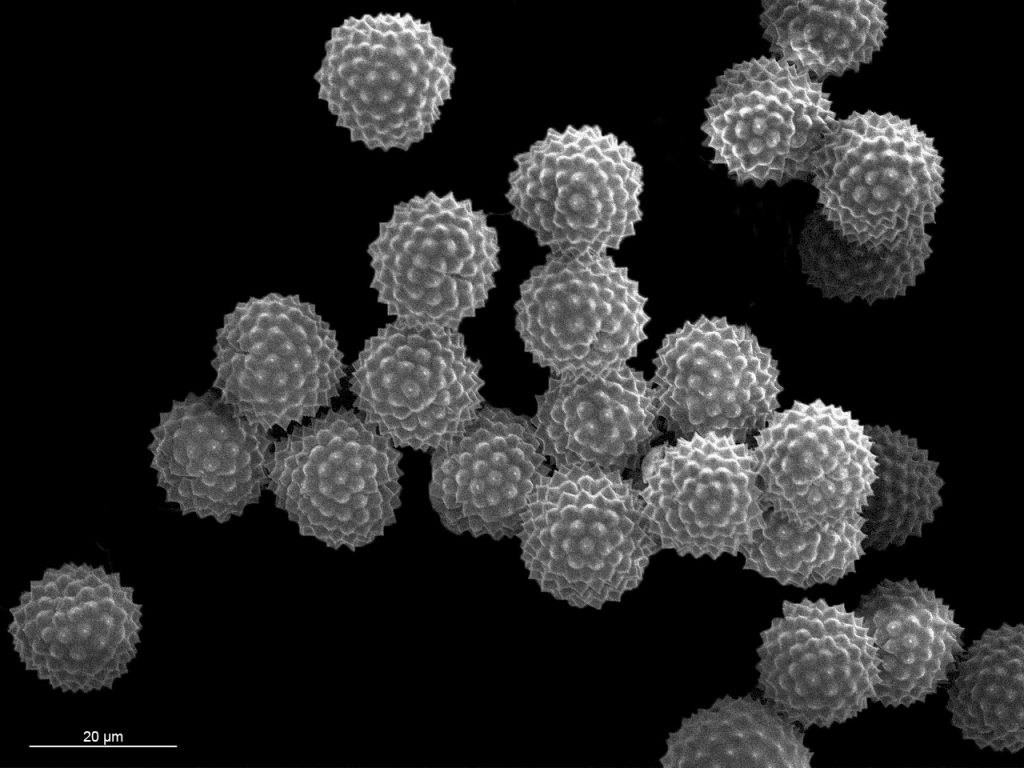
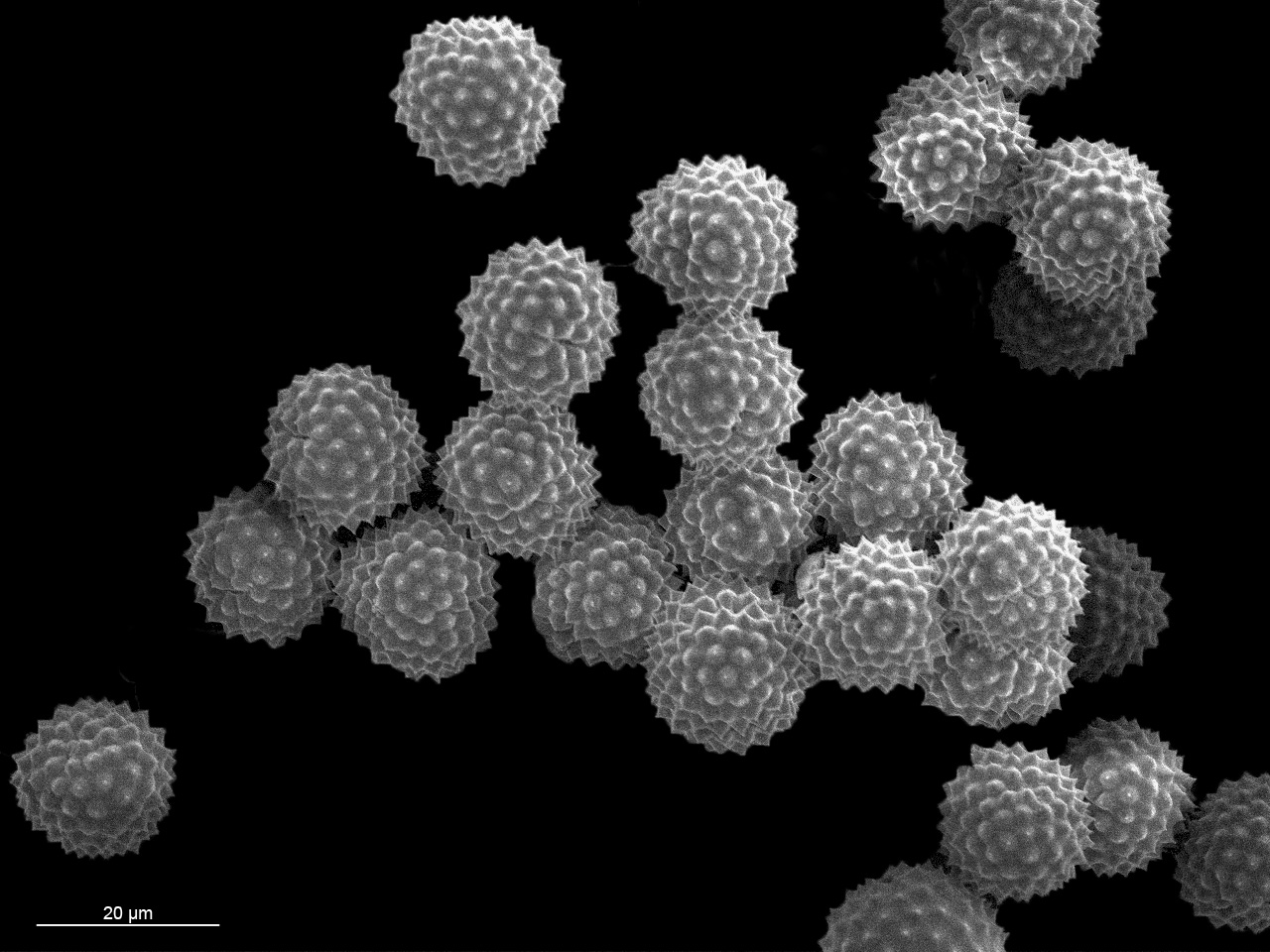
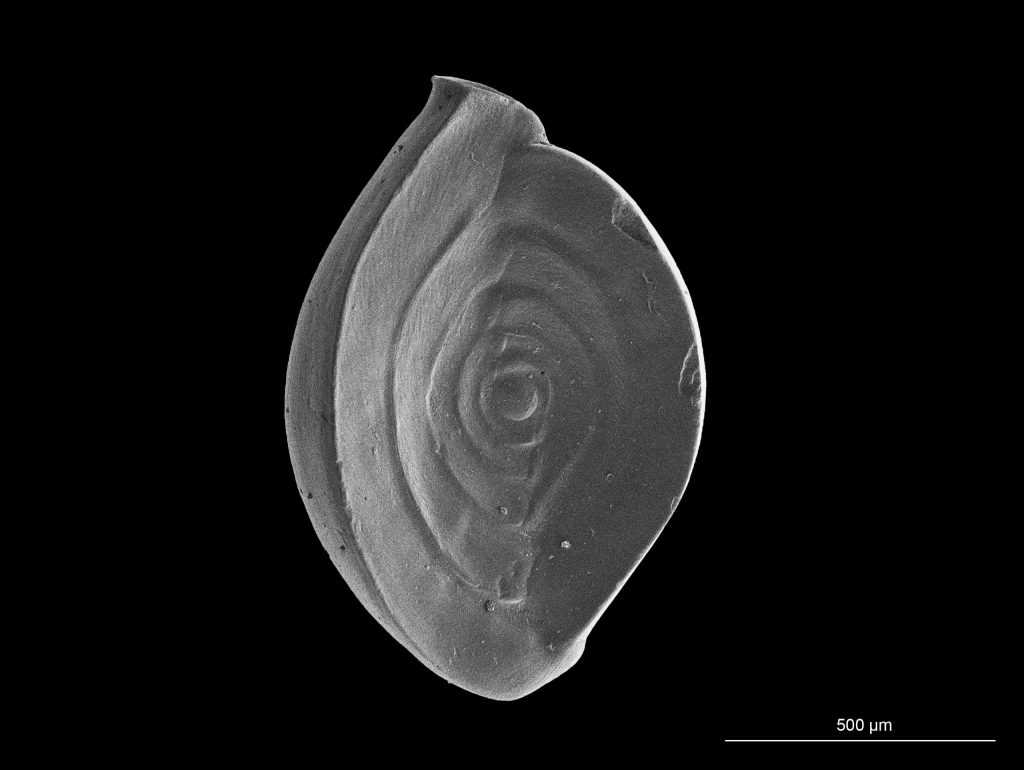
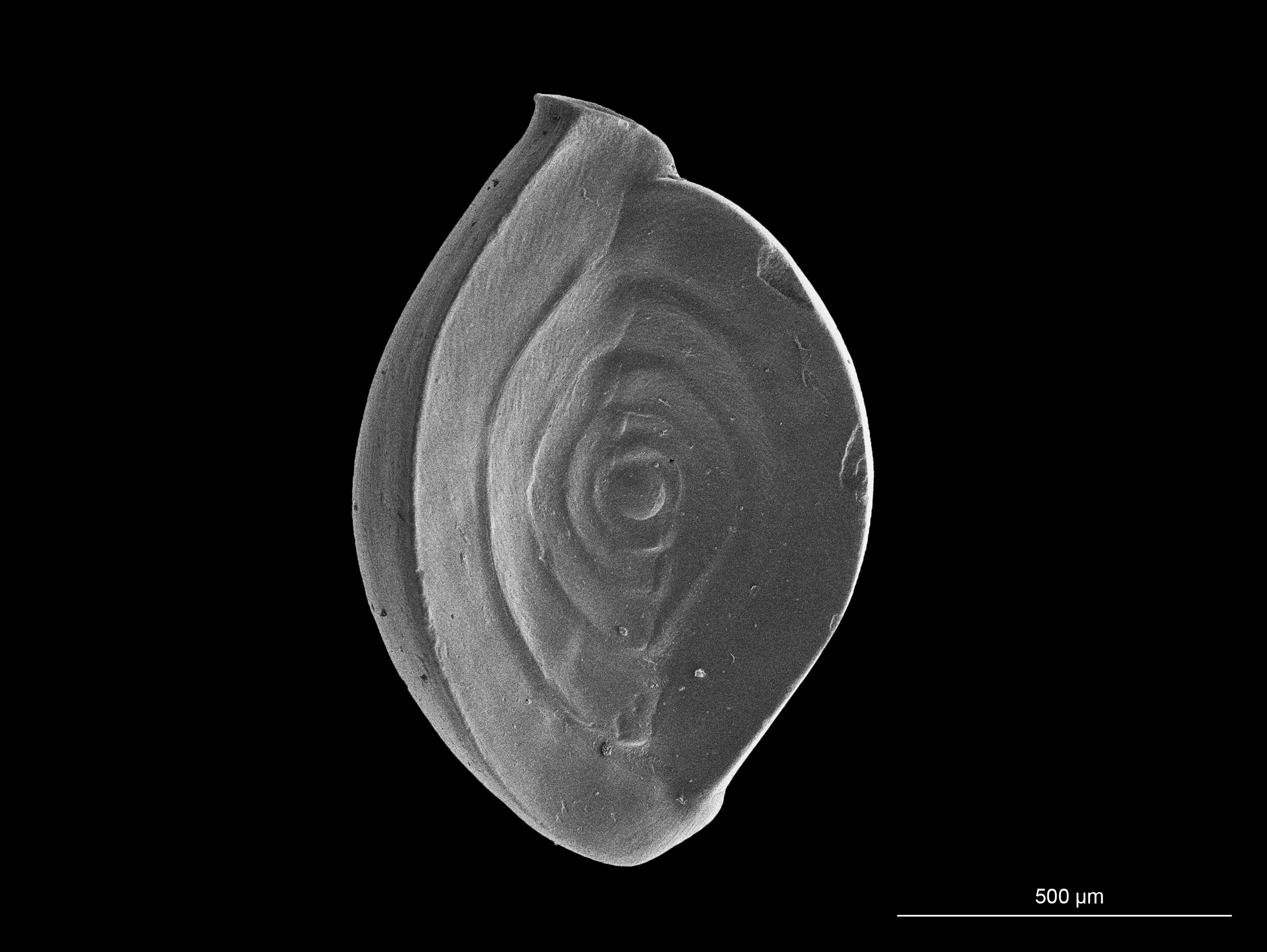
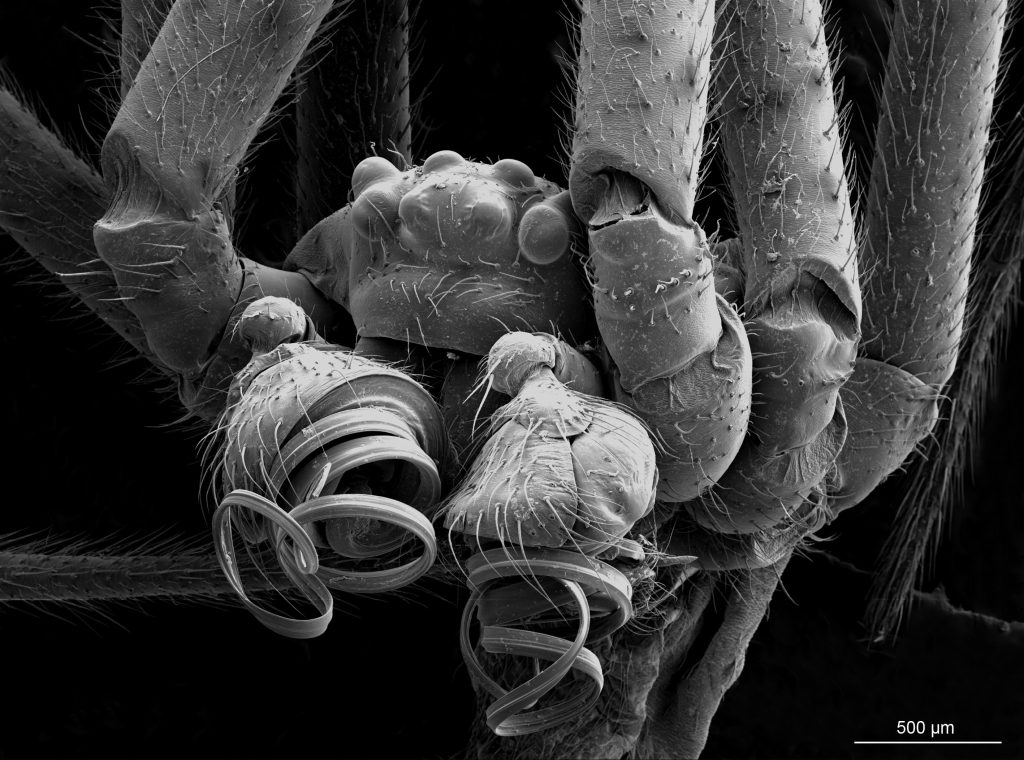
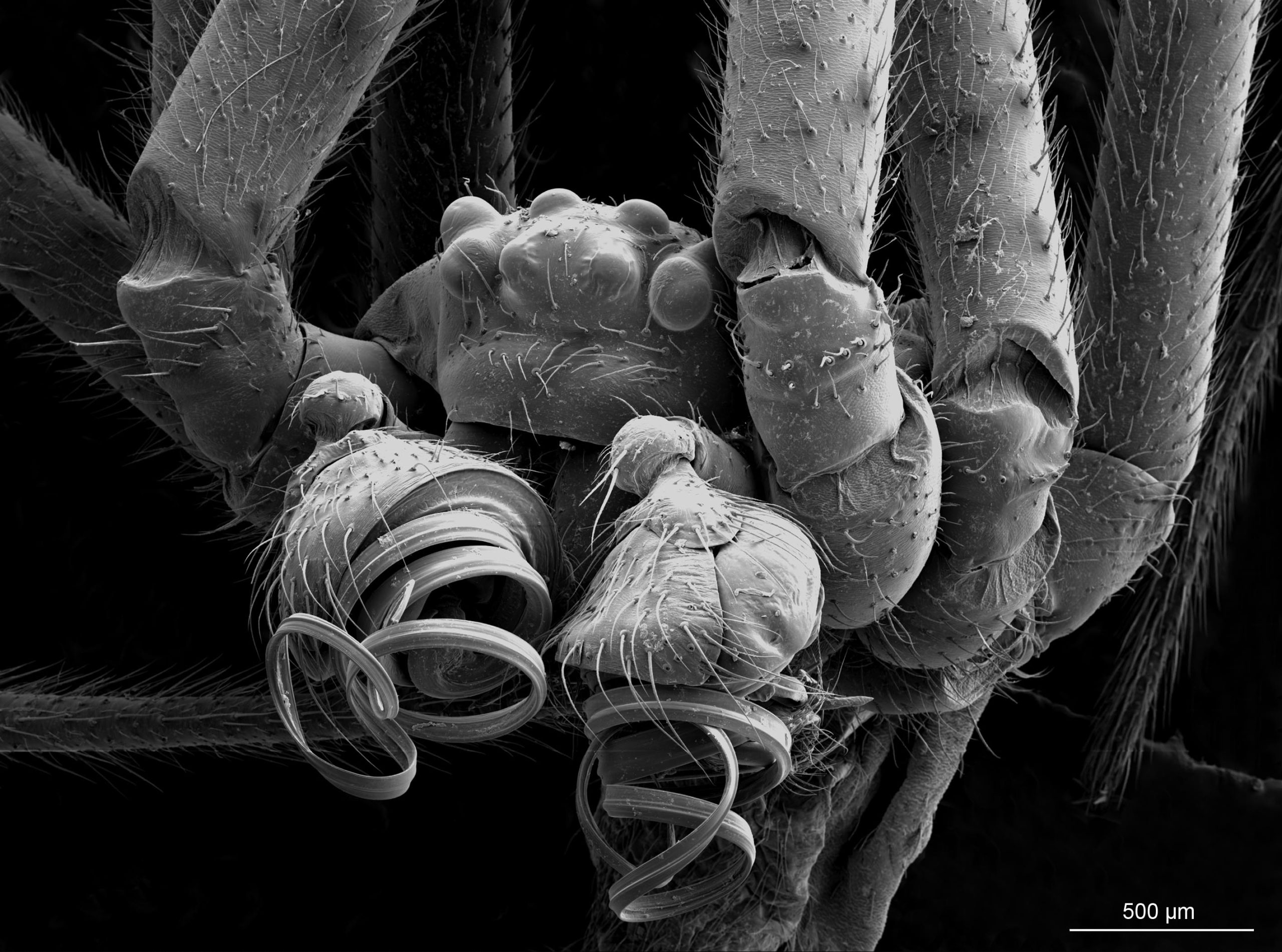
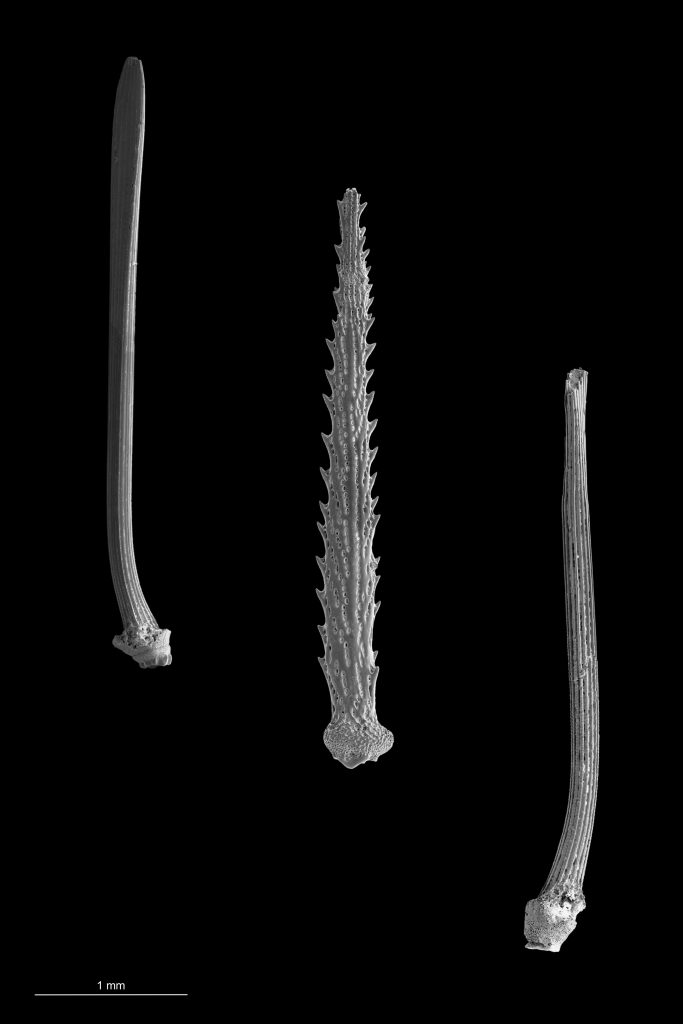
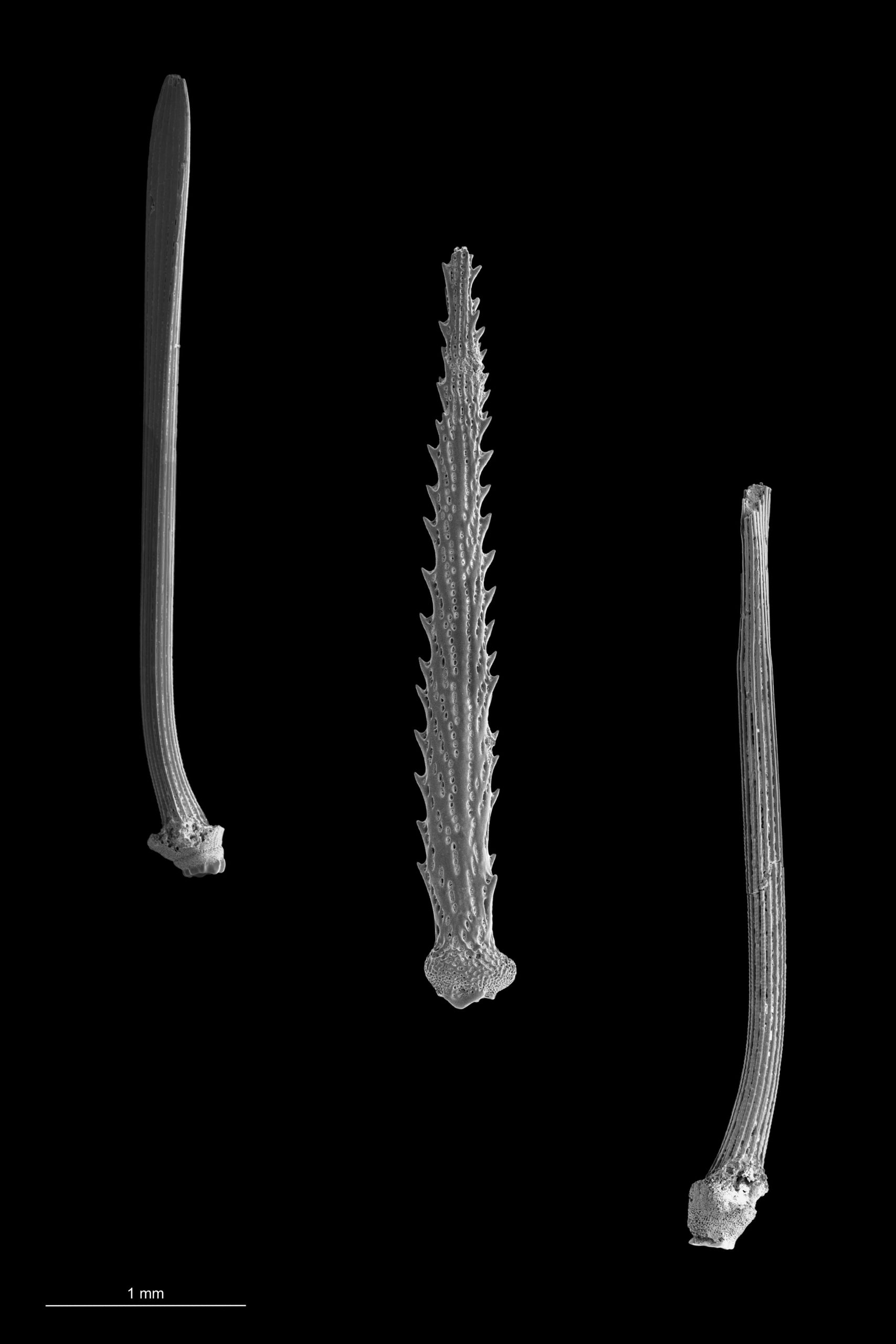
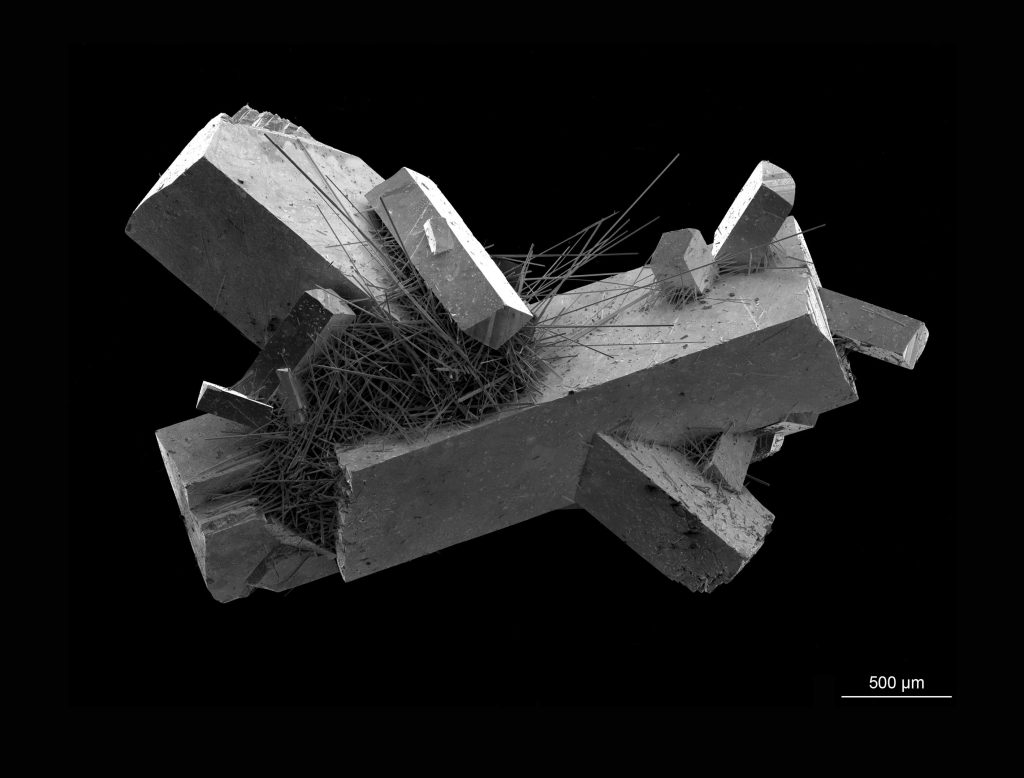
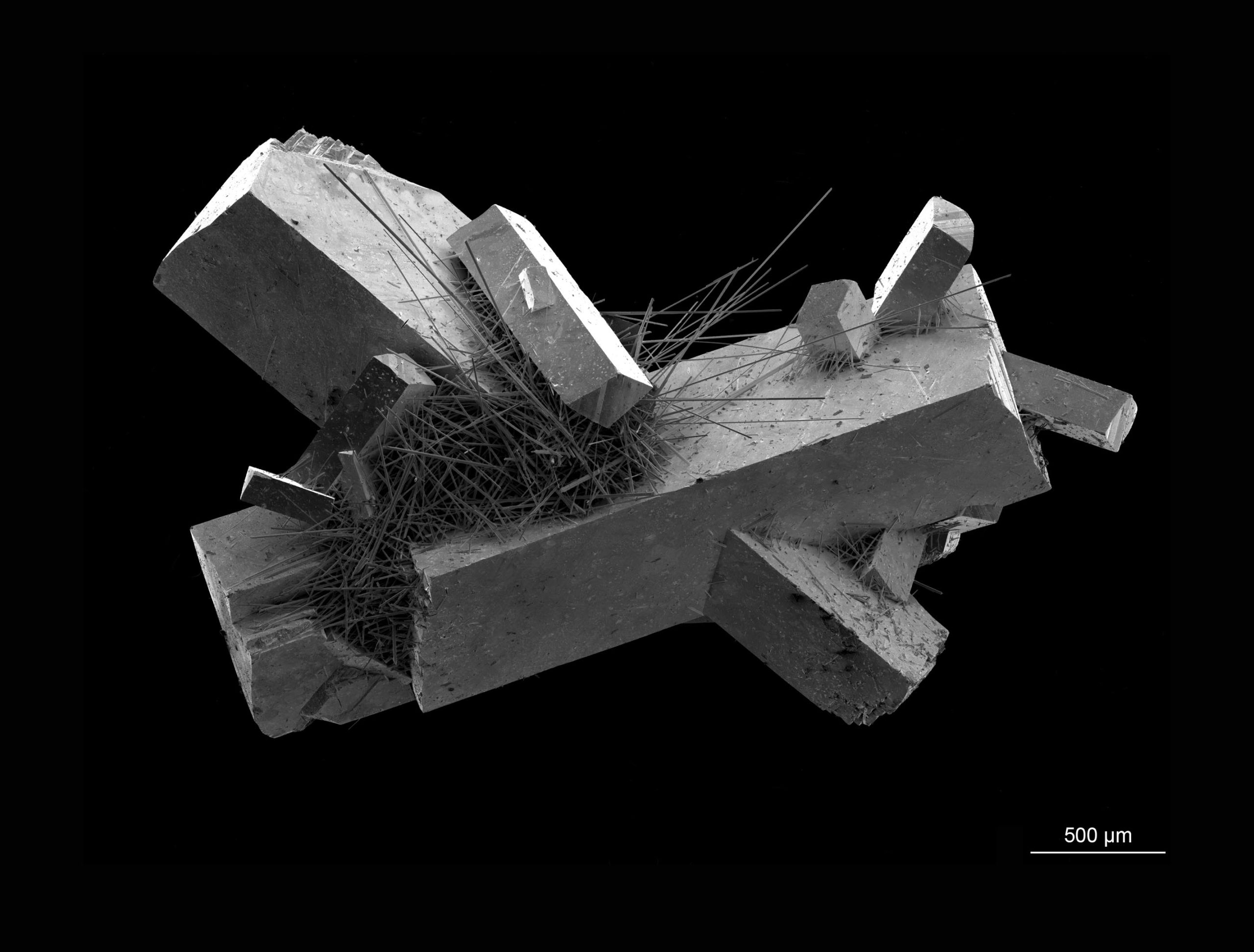
Sample gallery
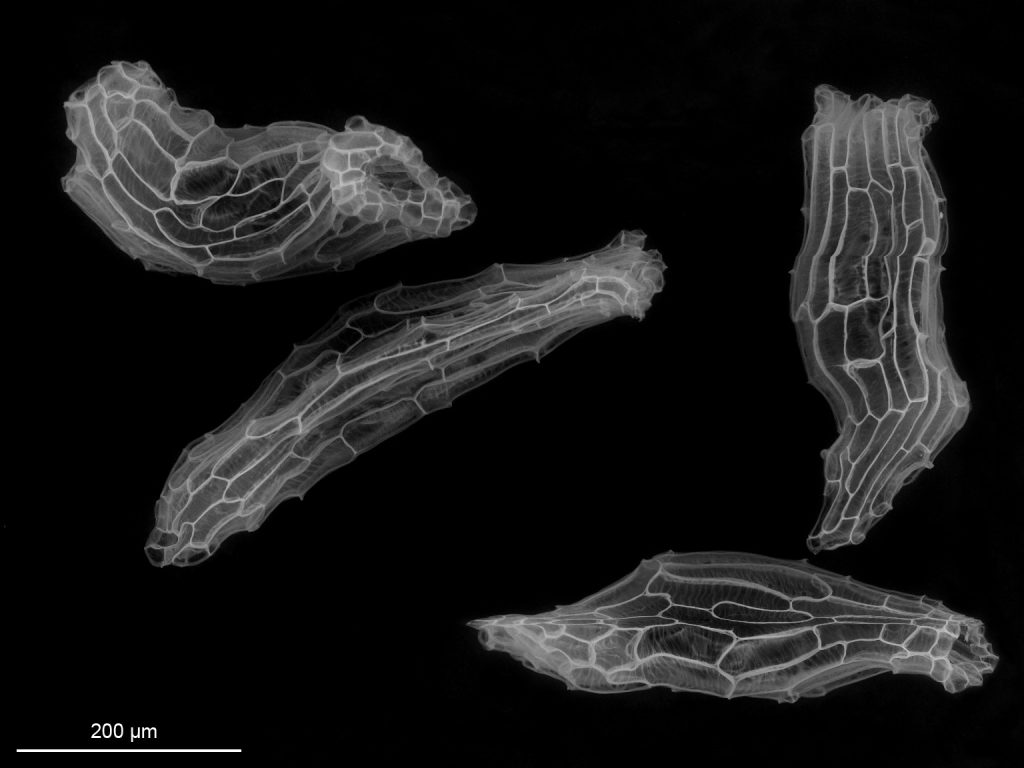
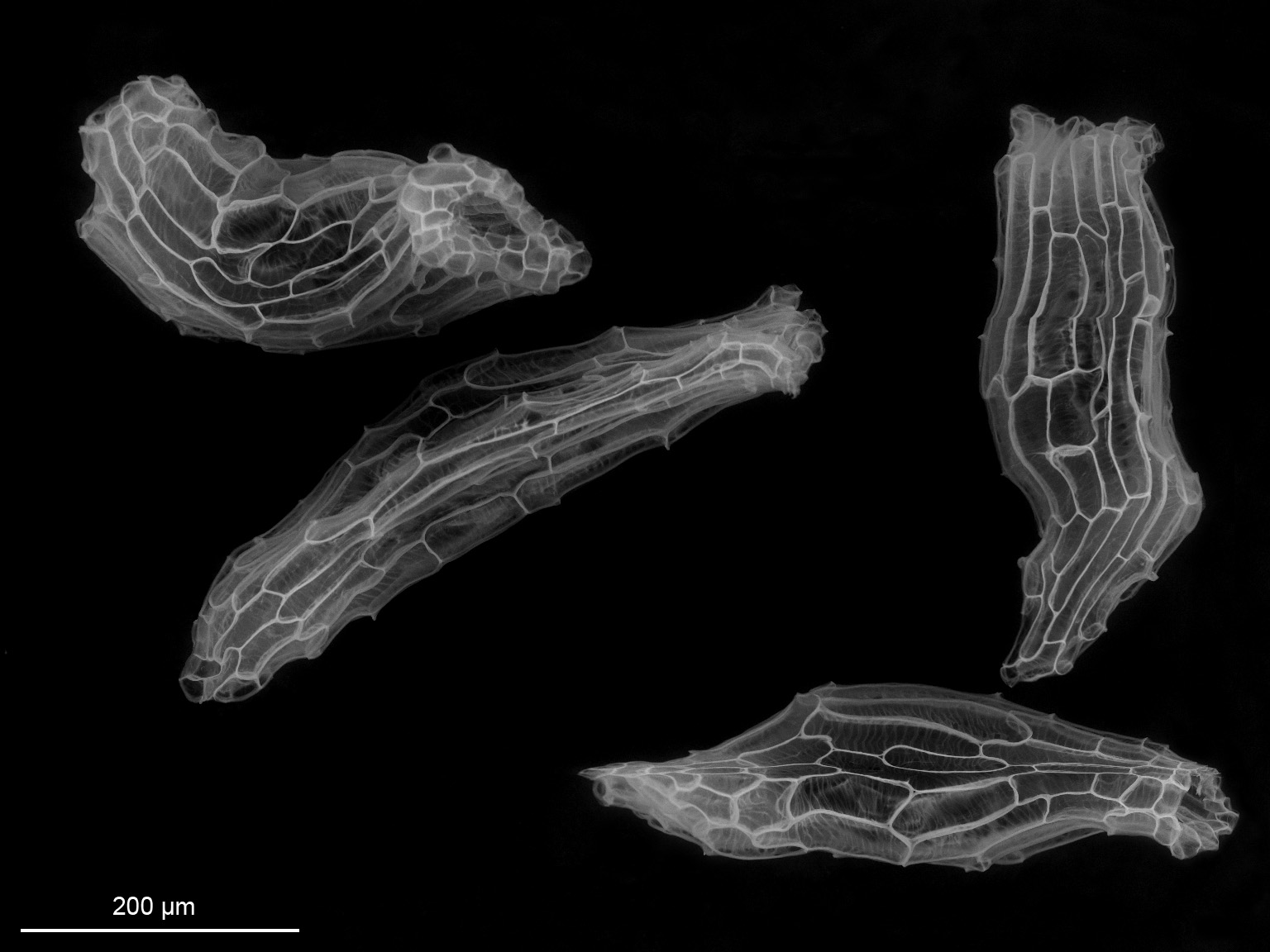
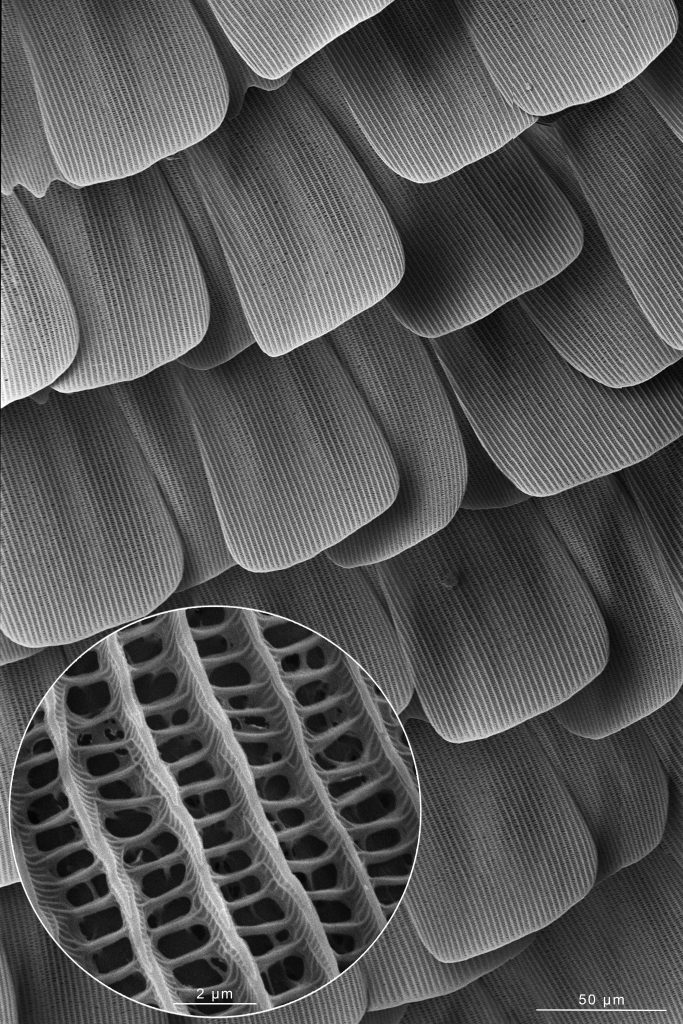
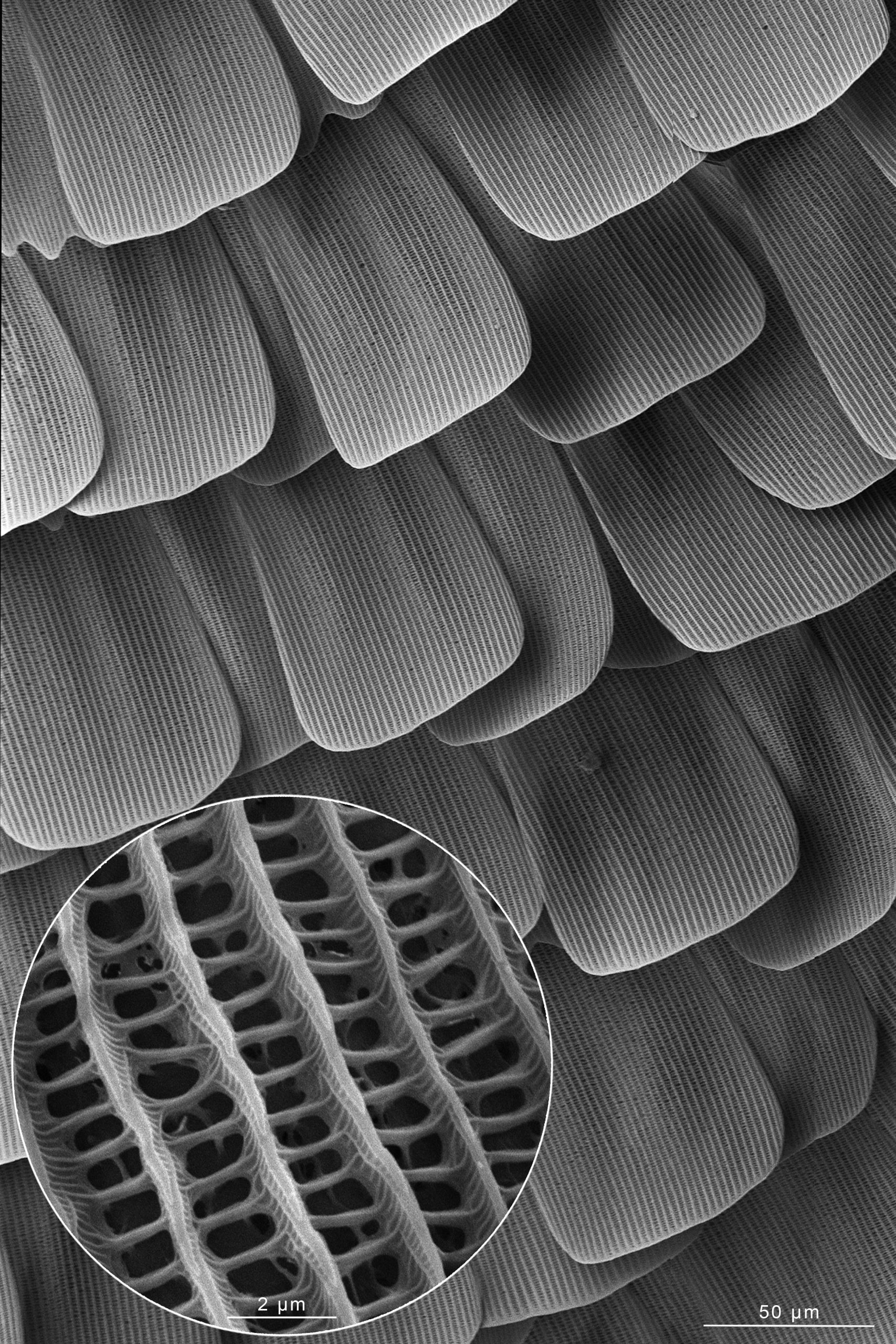
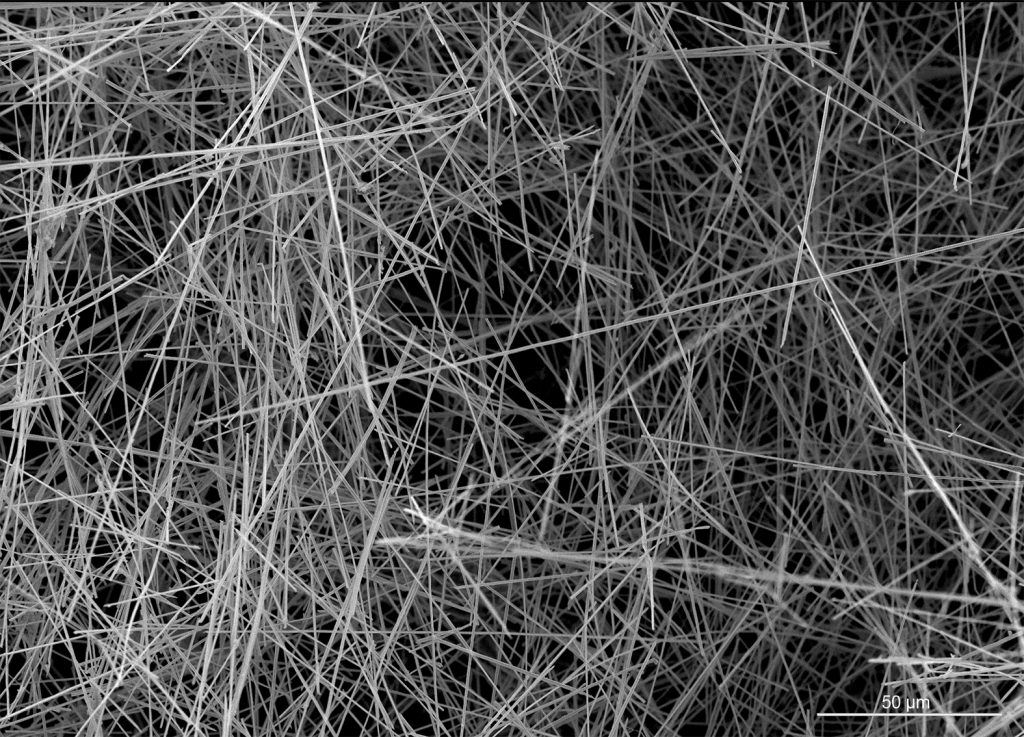
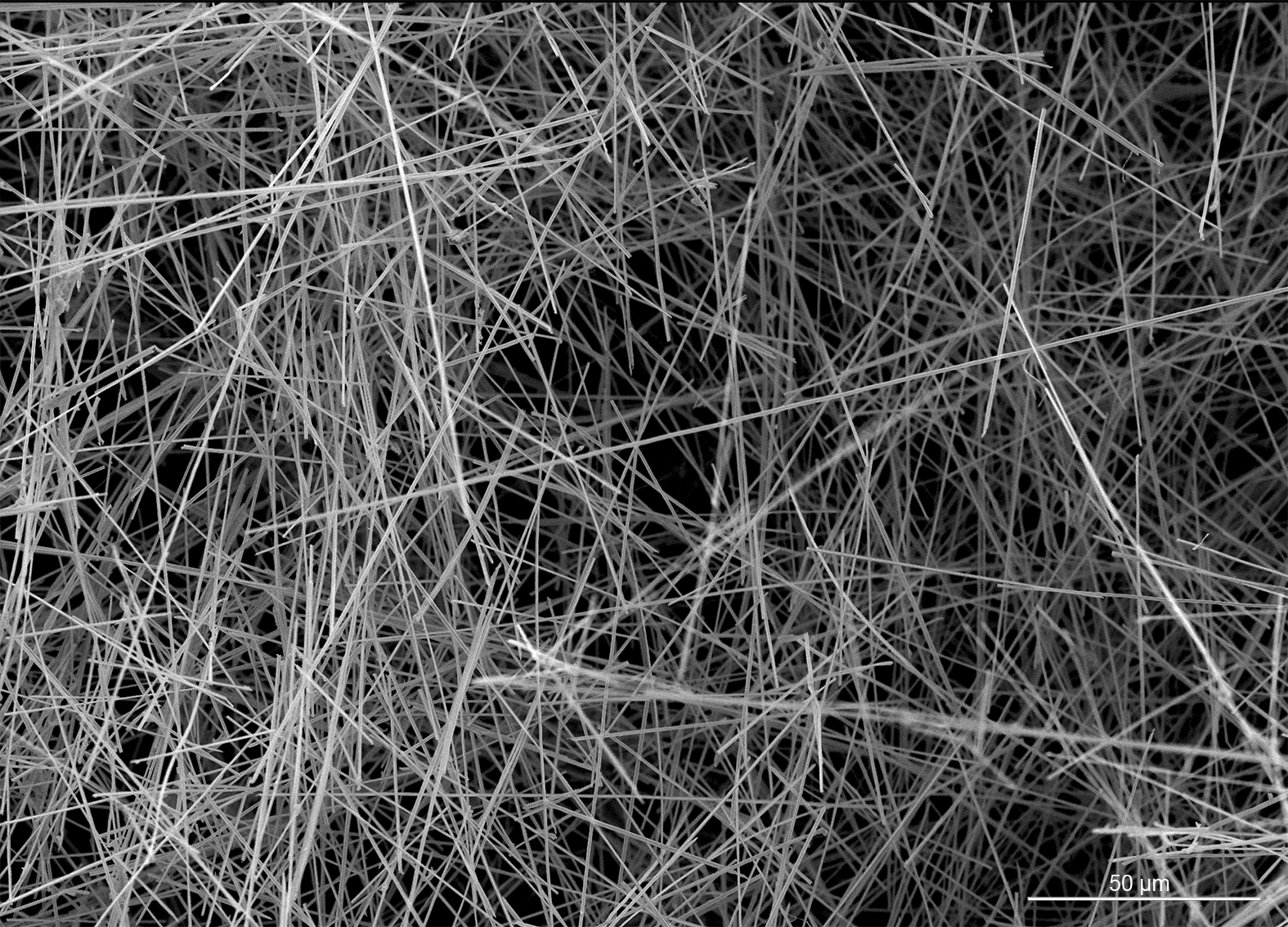
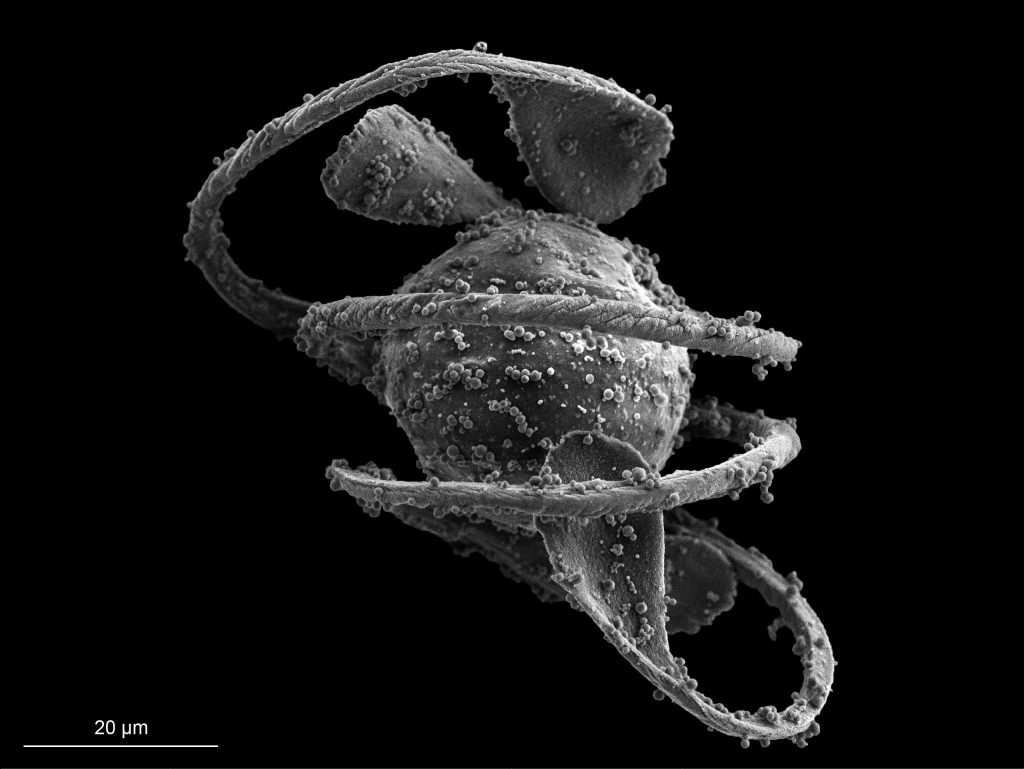
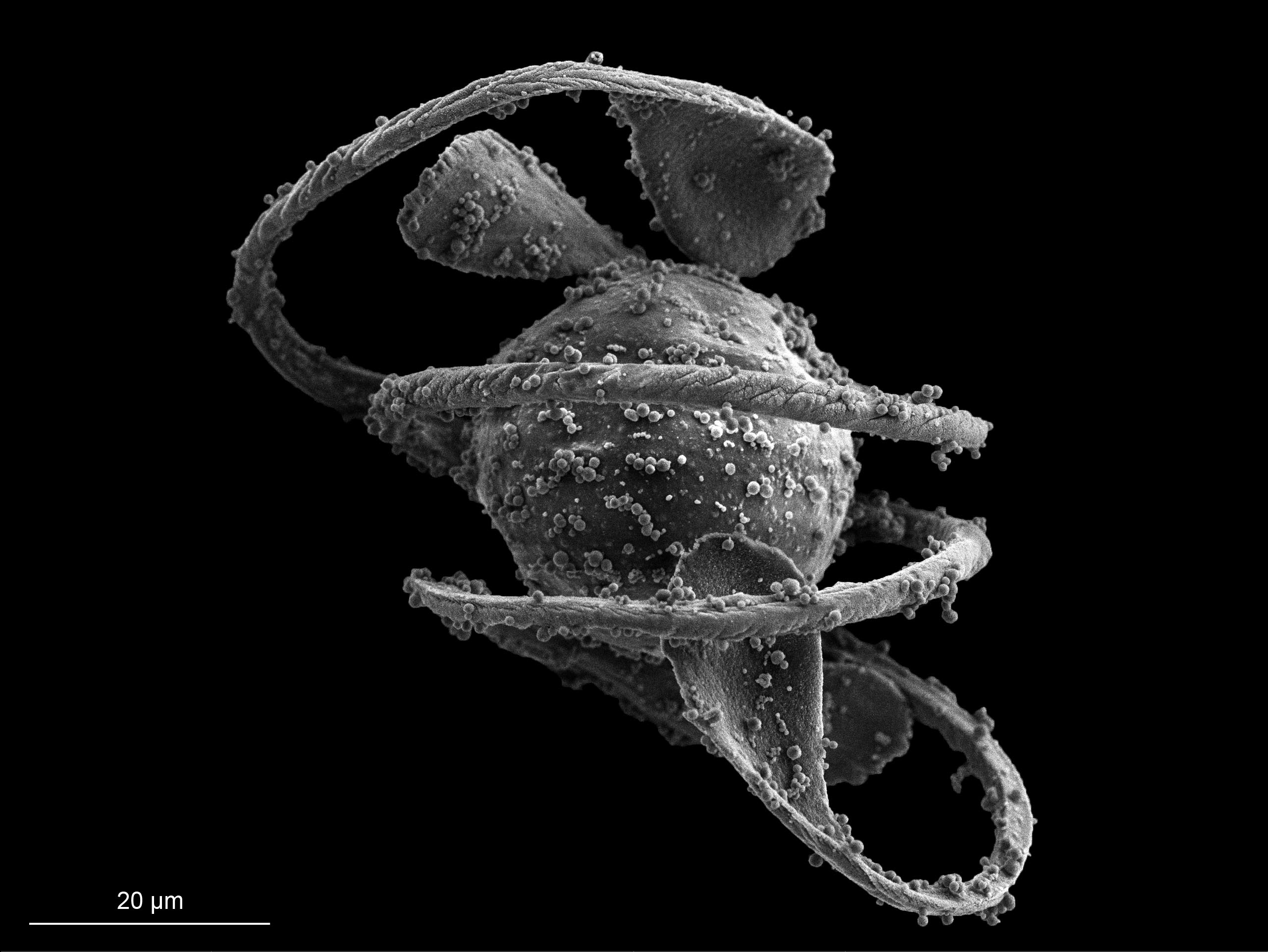
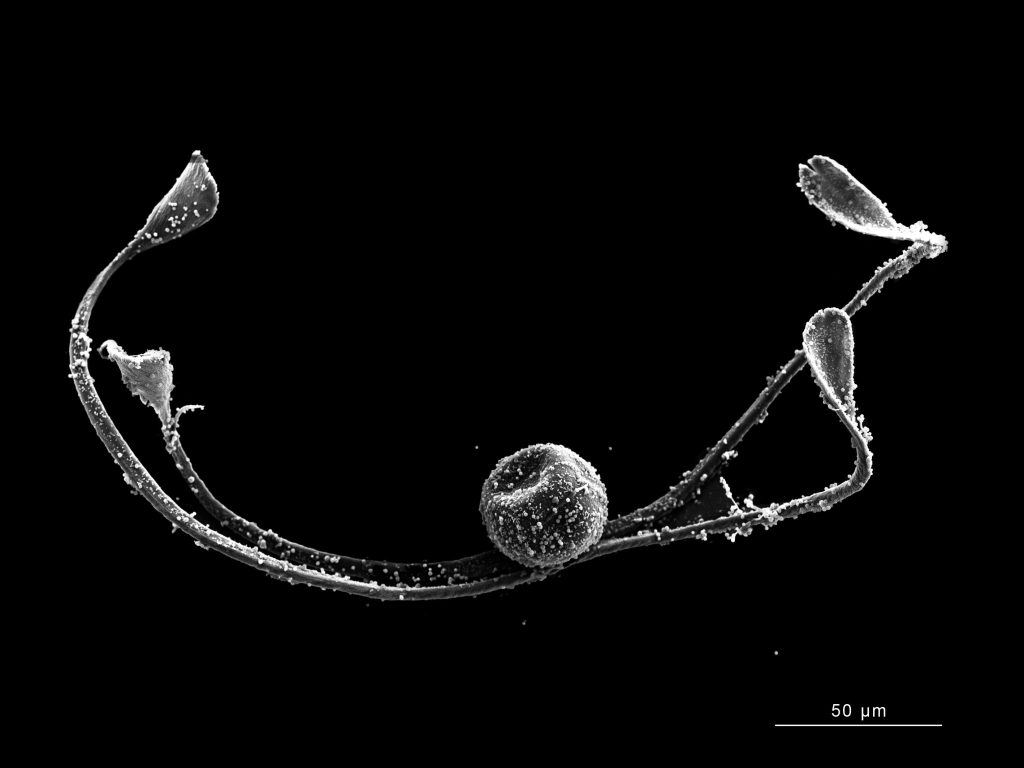
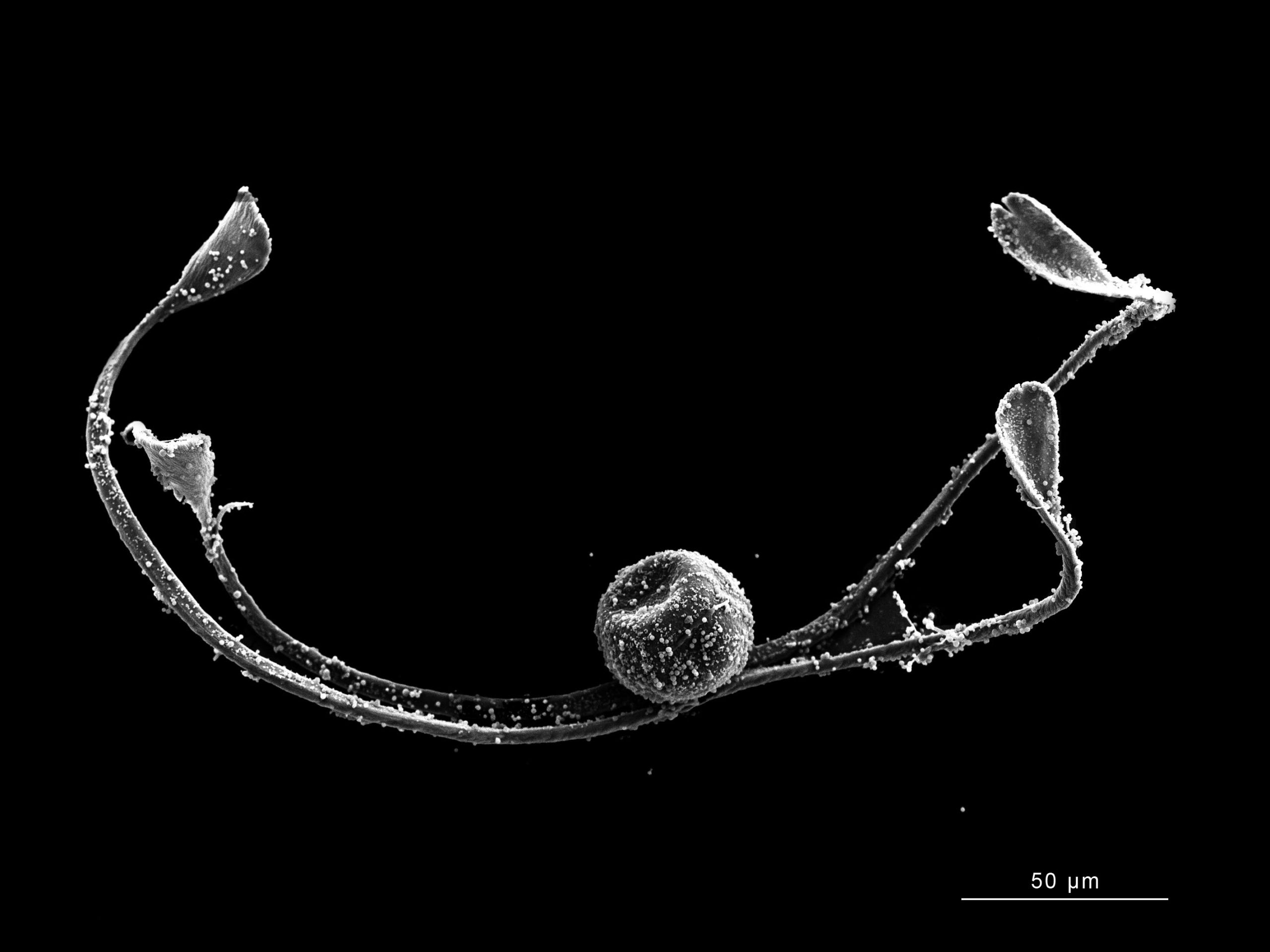
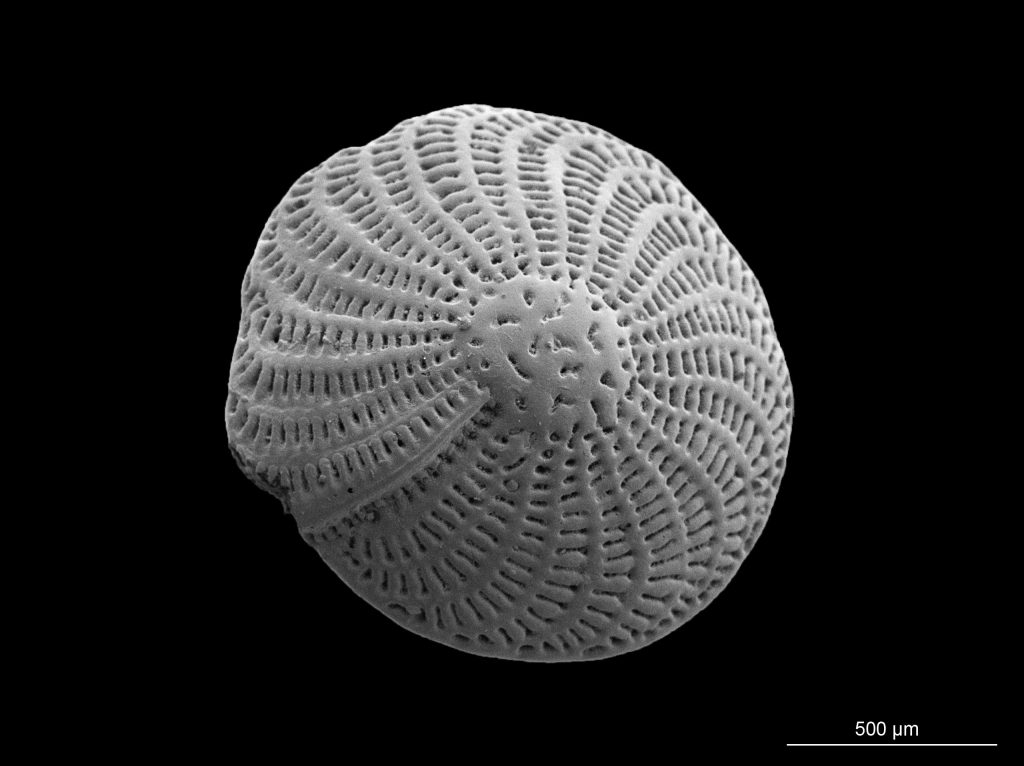
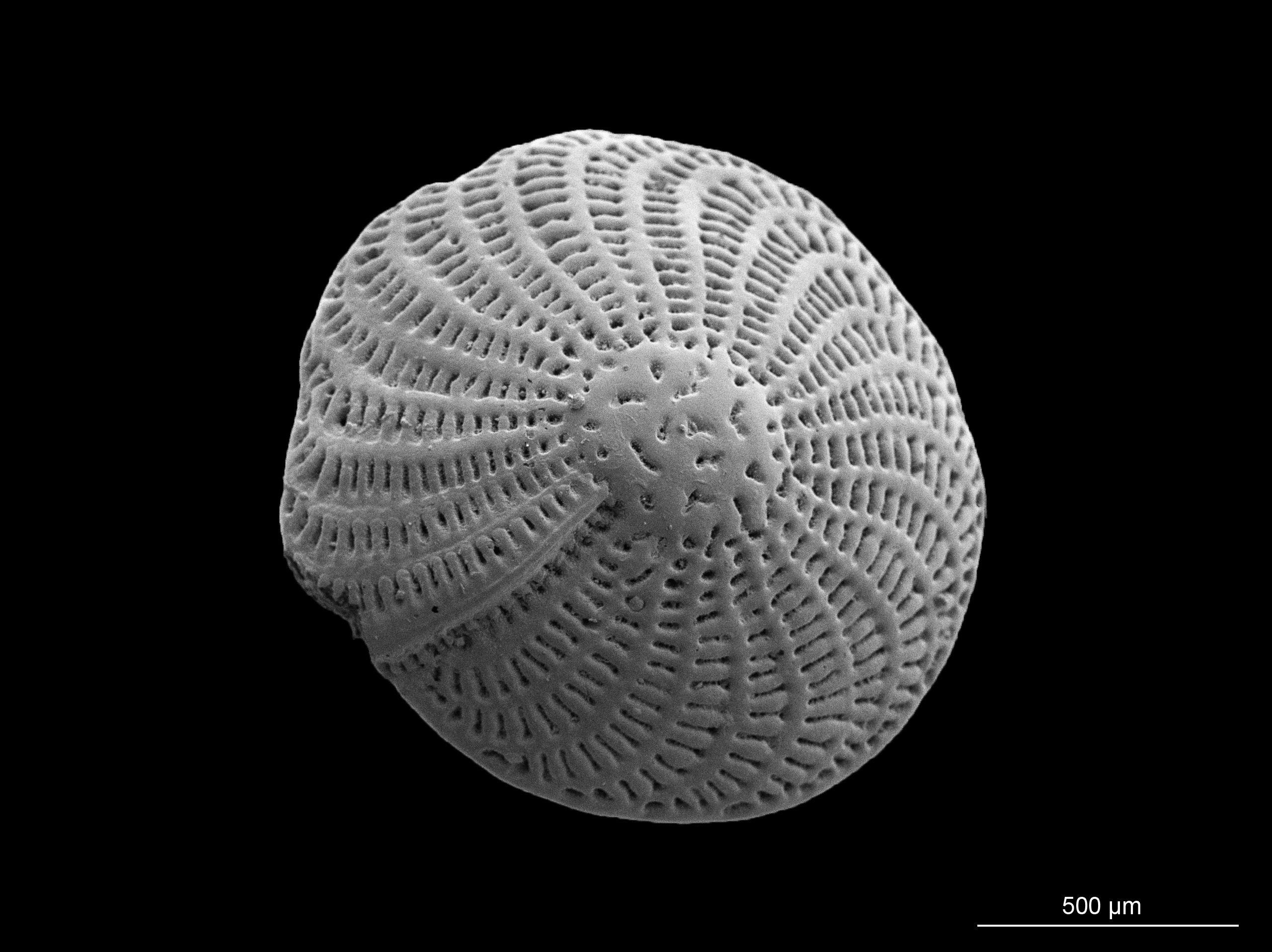
Selected examples of natural history specimens imaged with a scanning electron microscope.